








Let’s face it, the whole apocalypse/zombie/undead storyline has been done to death, with the odd interesting take but mostly rehashing of the same old ideas just in a different setting. That said, We Bury The Dead tackles it from a different perspective. The film looks at it through the lens of grief, yielding some really tough, thought-provoking moments. It loses its way a few times, but it laid enough solid groundwork to make this an enjoyable watch.
In the film, an accidental release of a devastating weapon by the United States on the coast south of Australia delivers the expected carnage and destruction, but so much more. This experimental weapon causes half a million people to drop dead, their brains more or less shutting down, only to come back to ‘life’.
There is little left but basic instincts, no personality to speak of, but as we see later on, there is more going on than meets the eye. The ‘experimental’ part of the weapon is basically a term for the powers that be, not really knowing what will happen, and they respond with a calculated, brutal response.
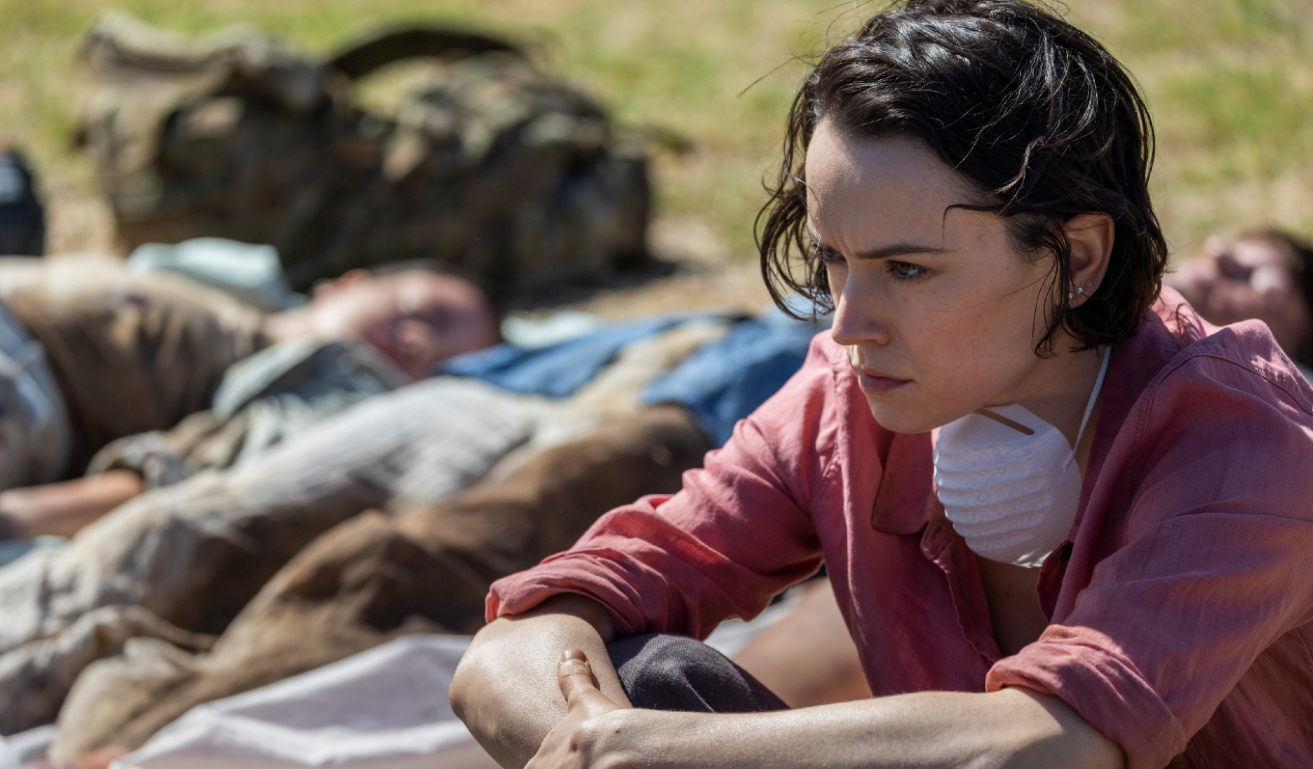
A mission, bluntly called a body-recovery mission, is put together by the army and is in need of volunteers. Ava (Daisy Ridley), an American, is quick to volunteer in hopes of finding her husband Mitch (Matt Whelan), who is in Tasmania for a week for work. While working her way towards her goal, Ava is teamed with a local named Clay (Brenton Thwaites).
They are directed to go from home to home and collect the dead bodies for removal. They’re given flares to send up to alert any nearby soldiers if they find any bodies showing signs of life.
This is where the film first becomes interesting. Ava discovers one such ‘undead’ body, a man standing there, just staring. It’s the eyes that are compelling, as the camera switches back and forth between Ava and the man, a look of thoughtfulness and questions racing across Ava’s face, a complete contrast to the eyes staring back at her.
RELATED: All 6 George A. Romero ‘Living Dead’ Zombie Movies, Ranked
The moment ends, but the question is now hanging in the air: Are those infected by this experimental weapon truly dead personality-wise, or is there some way to bring them back? The army obviously wants to shoot and ask questions later, but it spurs Ava to find her husband. With Clay’s help and a motorcycle, they set out on a two-hundred-mile journey to where her husband is staying.
The ending combines a few emotions, a lot of tears, and reflection, looking at what is important and how one’s life can change so incredibly fast.
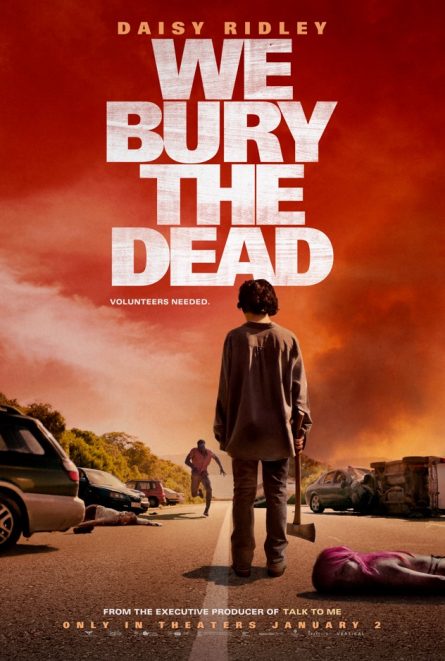
It is meant to be an emotional ending to a physical and mental journey that, while full of sentiment, doesn’t always hit home. Still, the film tries to approach the genre a little differently, and I can appreciate the effort.
Related: 9 Must-See Zombie Movies from the Last 10 Years
We Bury The Dead was an enjoyable film, but it could have been so much more. The ideas explored here with the undead/resurrected were interesting, but sadly never developed enough to fully engage the viewer in that part of the story. Some of the end results may be frustrating at times, but at least the journey itself was something different. That in itself is a win in a genre that has been devoid of any new ideas for quite some time.