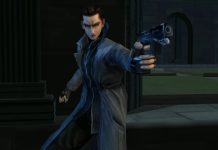










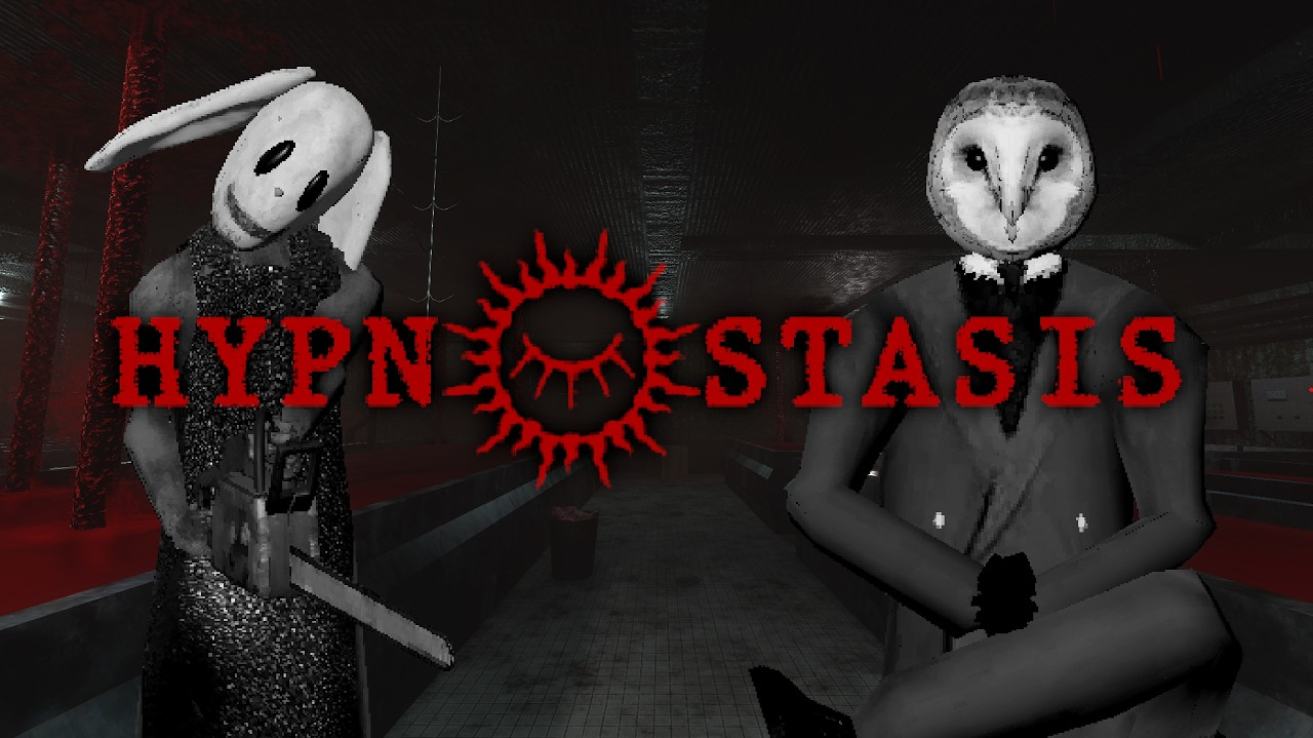
Despite their age and relative obscurity nowadays, there’s something to be said for how influential GoldSrc mods like Afraid of Monsters and Cry of Fear were. Were they rough around the edges? Absolutely. But so were a lot of other independent game productions at the time. And in spite of their faults, they had a fairly unique creative vision that combined low-budget horror with challenging gameplay and some genuinely unsettling moments. Whether talking heads screamed over scripted scares on YouTube, or you plunged into the free-to-play horror yourself, you can still feel their faint influence in some indie games today. This is especially true of Hypnostasis, a game developed by TPX500.
I originally talked about the demo for Hypnostasis when it debuted during one of the semi-annual Steam Next Fest events. But it’s not coming soon anymore. It’s out. And it’s one of the most impressive horror debuts I’ve seen in a while. It’s got almost everything I love about these games and then some. Not only that, it also has quite a few surprises I’d rather not give away so soon. But is it worth playing yourself?
Hypnostasis Is a Hands-Off Horror Game
Hypnostasis is interesting in that its actual narrative isn’t as clear-cut as you’d expect. Whereas something like Total Chaos gave you a semi-solid idea of who you are and what’s happening, things start out seemingly straightforward before bending and twisting into something less concrete.
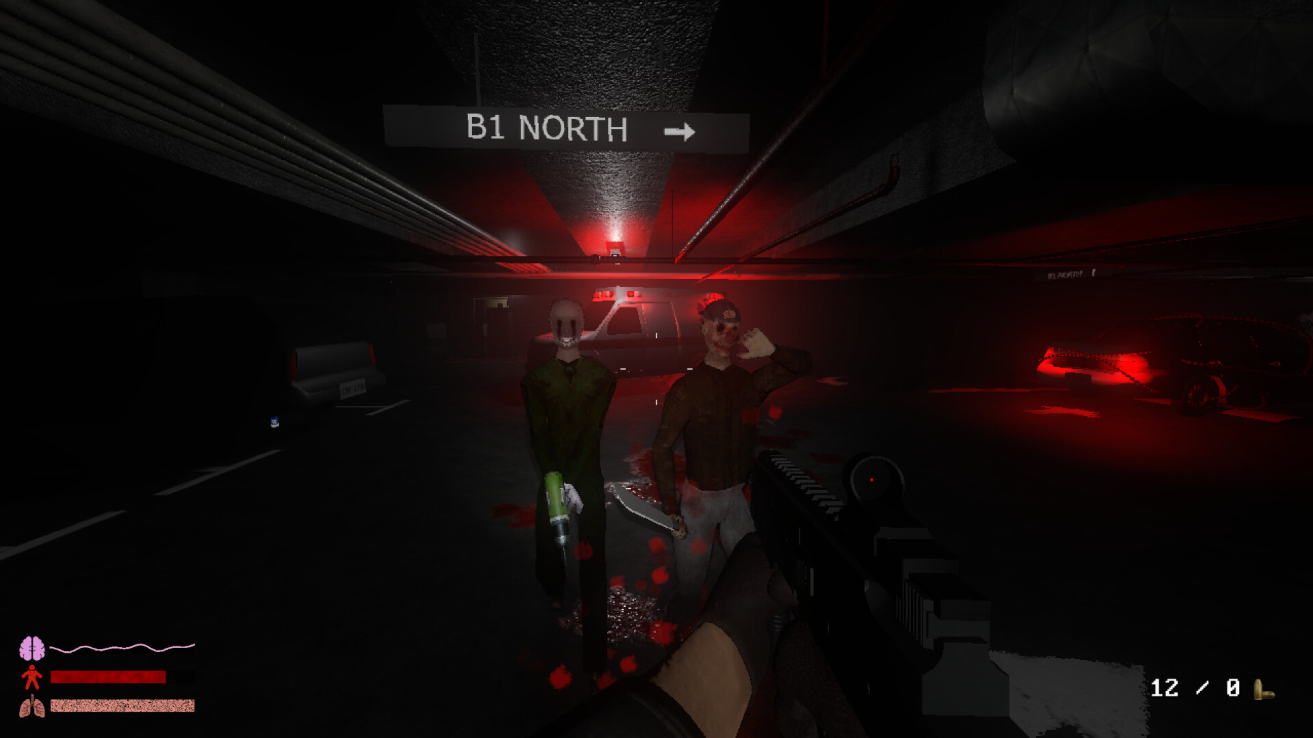
You awaken in your apartment. It’s the dead of night. Scant cans of booze and loose snacks fill the kitchen. But as soon as you step outside, things aren’t what they seem. Your neighbors have been twisted into screaming monsters brandishing weapons. The community garden is being prowled by a mysterious serial killer. And the sewers beneath it all have been filled with corpses and strange apparitions. Worse yet, the lines between reality and fantasy are starting to blur, as an ominous dark room may hold the key to the mystery that surrounds you.
What I really appreciated about Hypnostasis‘ plot is just how loose it is. You’re given a handful of moments and ideas that are meant to be significant, and you’re expected to piece them together yourself via a handful of notes and your own interpretations. The broad strokes are there. But the finer details are filled in with your imagination. It’s refreshing. I’m not exactly a huge “lore” guy, so I appreciate the hands-off approach in terms of story details. Exact dates and times and all that are not why I’m here.
Speaking of being hands-off, the game leaves you to your own devices for the most part. You get some small guidance in terms of directly advancing the story. But anything beyond that is up to you, whatever notes you make, and your own brainpower. Did I ever get lost? Yeah, but only once. And that was only because I didn’t thoroughly go back through my notes. Considering just how big the game can be if you’re exploring all around, you’ll rarely find yourself getting stuck as long as you’re paying attention.
Even if you do get lost, that comes with its own fun. The inconsistent melding of what’s real and what isn’t means every door can open up to something completely unexpected. Sure, you’ll mostly find familiar horror locales. But Hypnostasis also has a handful of areas that took me completely by surprise, ranging from the hauntingly fantastical to the just plain weird. I really shouldn’t spoil these for you. They’re worth discovering on your own.
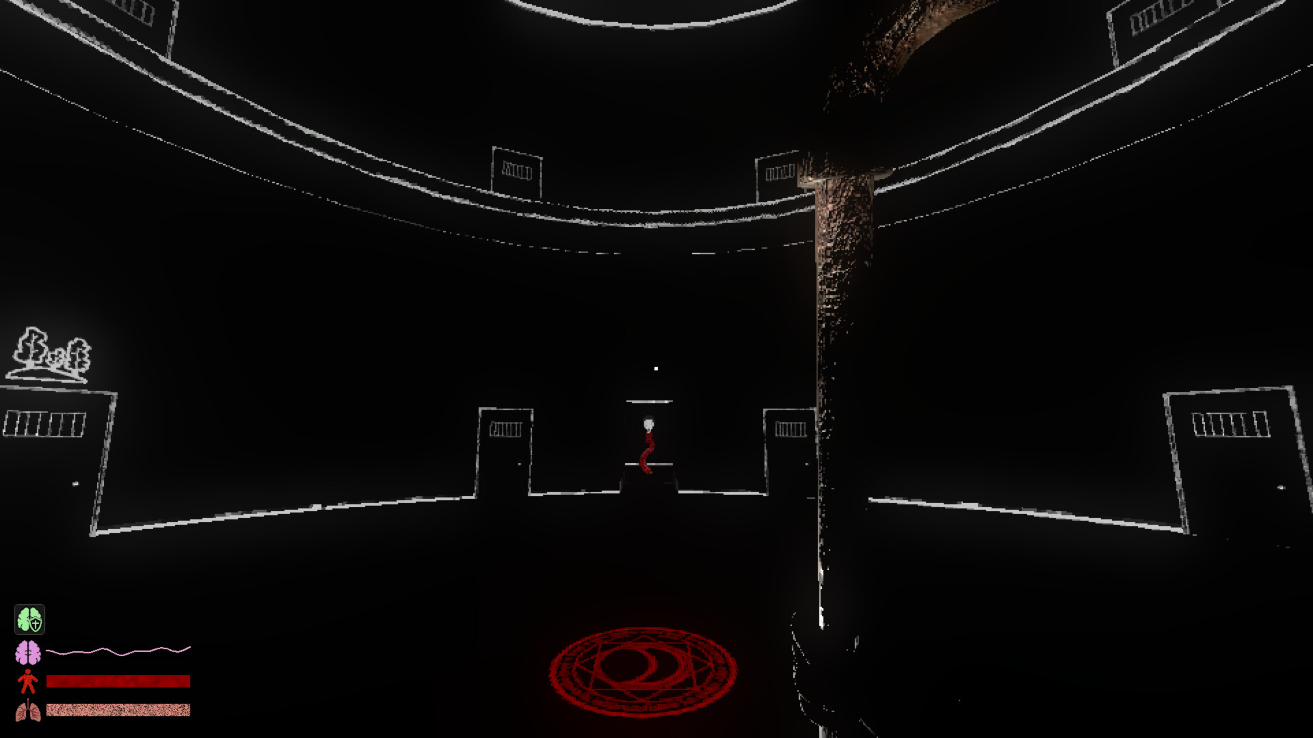
I also love how each of the different locations you can find are all interconnected with each other. Each of them has a dedicated black and white door to access the dark room, a hub of sorts that allows you exit one area and enter another through a separate door. I’m usually not a big fan of this type of map design, but whatever Hypnostasis did here, I genuinely enjoyed it. You can also find ample shortcuts within each area to more easily get around if you’re revisiting them.
Aesthetically Retro
Hypnostasis is far from the most demanding game graphically. In fact, it’s borderline ugly at points. But I mean that in a good way.
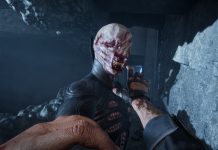
Things are discernible enough to be recognizable, but there’s a crudeness to enemy models and level geometry that feels authentically nostalgic. Cry of Fear in particular utilized its simple enemy designs by giving them incredibly nightmarish, jittery animations, and there’s a similar approach taken to the enemy design here. They’re simple in their construction, but their movements, their strange details, their reliance on attacks you wouldn’t expect them to have, they all stand out in interesting ways. In fact, they’re only ever at their most generic in the first few areas of the game. As things turn more nightmarish, you get more genuinely alien enemies as a result.
The same can be said for the environments they reside in. Often accompanied only by looping ambience or the occasional calming musical loop, they’re full of low-res textures, the occasional haunting illustration, and often unexplained phenomena that you’ll just have to contend with as if it was always there. I love that feeling. The incorporation of cult iconography here and there only adds to the mystery of what’s real and what isn’t too.
RELATED: The Behemoth Review: A Snowbound Cult Nightmare With a Twist
As for the music? Well, I actually don’t really have much to say. Nothing really stood out to me, but nothing was outright bad either. It all felt appropriate for what was going on. The one time I found it grating was in the slaughterhouse, but part of me wants to think that the screeching, grating industrial ambience is meant to get on your nerves a little bit.
I’ll be the first to admit to that I have very little knowledge of Jungian psychology as well — which Hypnostasis also takes heavy inspiration from — but I’d be lying if I said I wasn’t intrigued by some of the esoteric concepts incorporated into the game’s story. Hints from the very beginning tie into secret dialogues you can find elsewhere, which may have a connection to some scattered notes you can find, which may even allude to one of the endings you can achieve. In a lot of ways, it feels like an evolution of the ambitious storytelling found in its inspirations. You just have to pay attention to really appreciate it.
Careful Resource Management
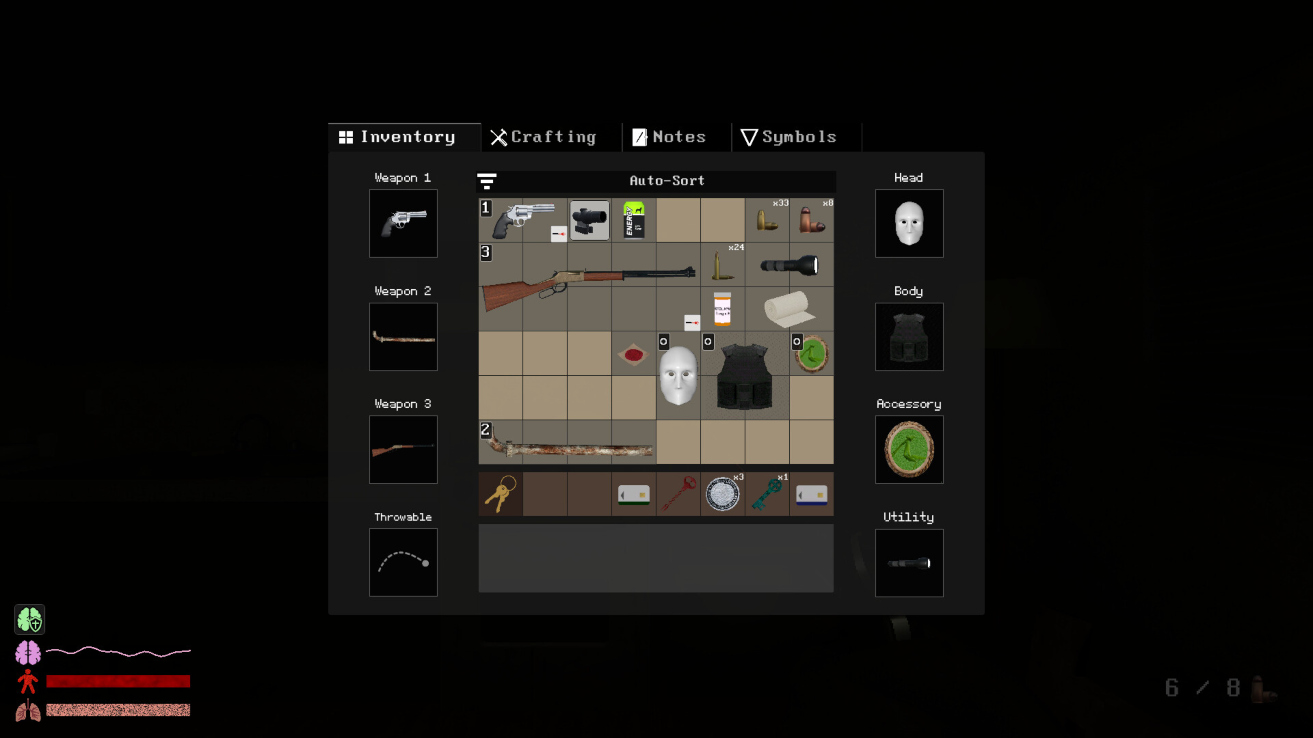
You’ll also have to pay hefty attention to your resources. Hypnostasis is a first-person survival horror game, after all.
While you are able to run from foes (willingly or not), you’re also just as capable of fighting them. Everything on your person is carried in your backpack, with weapons, armor, and throwable weapons all needing to fit alongside puzzle items and a bevy of healing items. You’ll have to manage status effects like bleeding, sickness, poison, depression, mutilation, sanity, all while juggling crafting materials and recipes and melee weapons and. . . there’s a lot, is what I’m saying.
You have a few different ways to manage this. Crafting materials and other items never truly disappear. If you ever run out of space in your inventory, you’re more than free to just drop something or leave it behind to grab later. Outside of a few defined points of no return, you’re freely able to revisit just about every place you’ve already explored, meaning you can grab whatever you missed out on or left behind later on.
It’s fairly standard stuff. What isn’t standard, though, is how the game handles saving. And storage. And other useful stuff adjacent to that.
Attunement is Hypnostasis’ most interesting mechanic to me. Throughout the game, you’ll find small summoning circles on the ground that, when given red powder, can be “attuned” to one of five different symbols. These symbols turn each of these circles into a dedicated service that you can use. Not only that, you’ll also get a special upgrade depending on what symbol you currently have attuned, which can be exchanged at any point with additional red powder.
Why bother with attunement? It’s the only way to save your game, for one thing. And it’s the only way to get more than a handful of storage areas outside of the apartment you start out in. You can even access certain secret areas with attunement you’d never be able to find otherwise.
This is an endlessly fascinating idea to me. Do you want to trade the comfort of a save with the convenience of a storage area? Why not have a dedicated station to mostly heal yourself instead of a place to restore your sanity? Is finding a potential secret area worth giving up all of these things? It’s the kind of resource management and decision making I absolutely love in these types of games. Optimizing your playthrough becomes more of an exact science with this, and it gives me some more incentive to replay it if I feel like I could’ve done better.
You do have a small economy to manage too. You can find coins in hidden areas or sometimes in plain sight, which can be exchanged at a handful of vendors for additional healing items, crafting resources, or unique rewards you can’t really find elsewhere — including armor, a weapon, and even an additional summoning circle. It’s wise to save up as many of these as you can. An extra medical kit might be nice, but that alluring feather ring might be worth the extra time and money.
Hypnostasis Is Hard
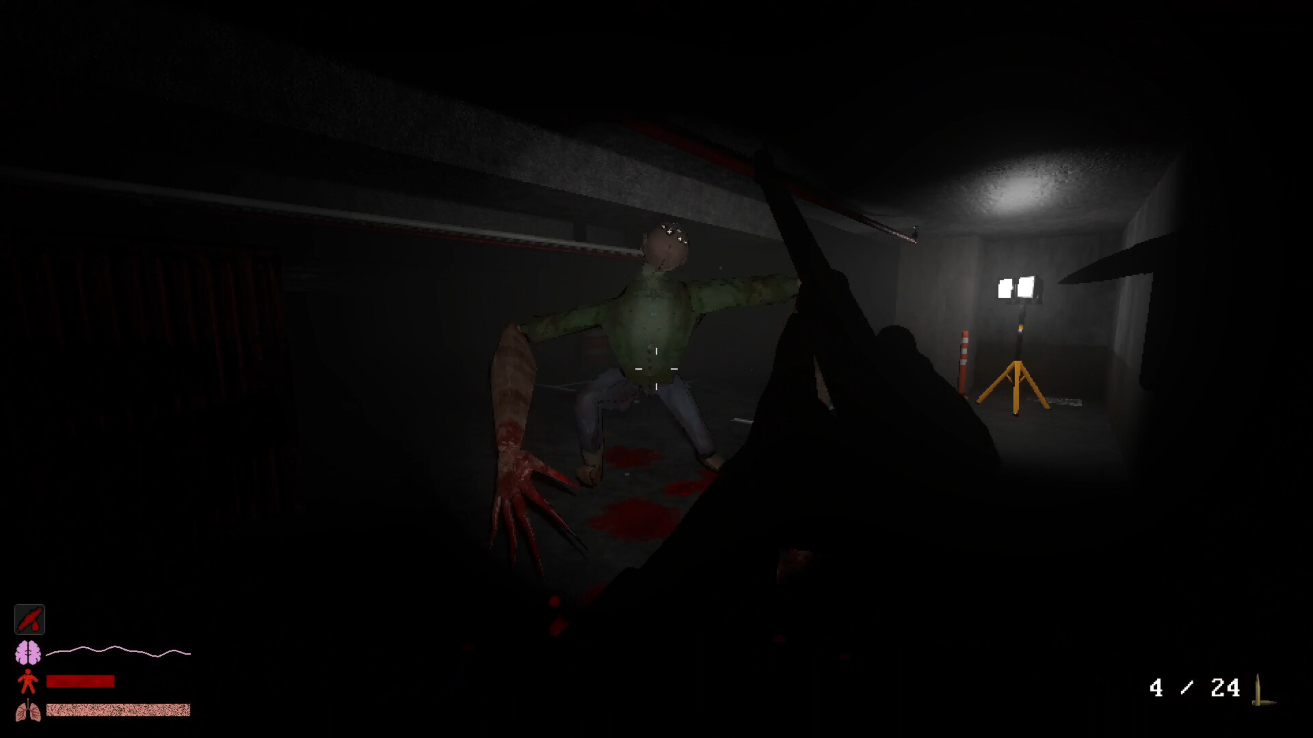
Hypnostasis is no walk in the park. On the game’s Normal difficulty, the only one you’ll have for a first-time playthrough, you can just as easily get your bell rung at the beginning of the game as you can towards the end. Like in Total Chaos, enemies hit hard and inflict a bevy of different status effects you’ll have to manage. Ammunition is in short supply outside of crafting, too. Because of this, careful aim and melee weapons will make things all the easier.
Weapon upgrades can even be found and freely swapped around. There are different sights and firing modes and even silencers to make certain enemy encounters play out in completely different ways. You’ll definitely want to experiment where you can.
This is mostly because I was taken aback at just how much Hypnostasis could throw at you. Most of the game isn’t a cakewalk, but I didn’t really find myself struggling against all odds all the time. But some areas really push you in terms of enemy prioritization and combat efficiency. Most of these came from my pursuit of Ending 3, where you’ll have to contend with extremely difficult enemies lumped together in combat arenas, the occasional chase sequence involving an invincible pursuer, and a particularly challenging battle against three boss enemies at once. Don’t get me wrong — I love the friction here. It was nice seeing that my resource conversation and careful play did actually pay off in dealing with these.
RELATED: Clive Barker’s Hellraiser: Revival Review: Better Than You Ever Expected
This is especially significant once armored enemies enter the fray. Regular bullets may as well be BBs if you’re attacking any part of them that’s armored, so you’ll have to use powerful magnum rounds or a dedicated throwable weapon to weaken their armor before you take a crack at them. Alternatively, getting around them and firing at their exposed weakpoint is also a viable solution, though it’s much more difficult to consistently pull off.
Sanity management will also come back to kick you every now and then. You’re not well mentally, and all the horrifying stuff going on around you doesn’t help. Thus, anytime you’re outside the dark room or a safe zone, your sanity will dwindle. Your vision gets a little worse. Little visual distortions will start creeping up on you until they become exceedingly prominent. You might even start seeing and hearing things that aren’t really there. Booze, food, and the occasional injection can bring your sanity back to a manageable level, along with a certain symbol you can attune to a summoning circle.
The Occasional Quirks
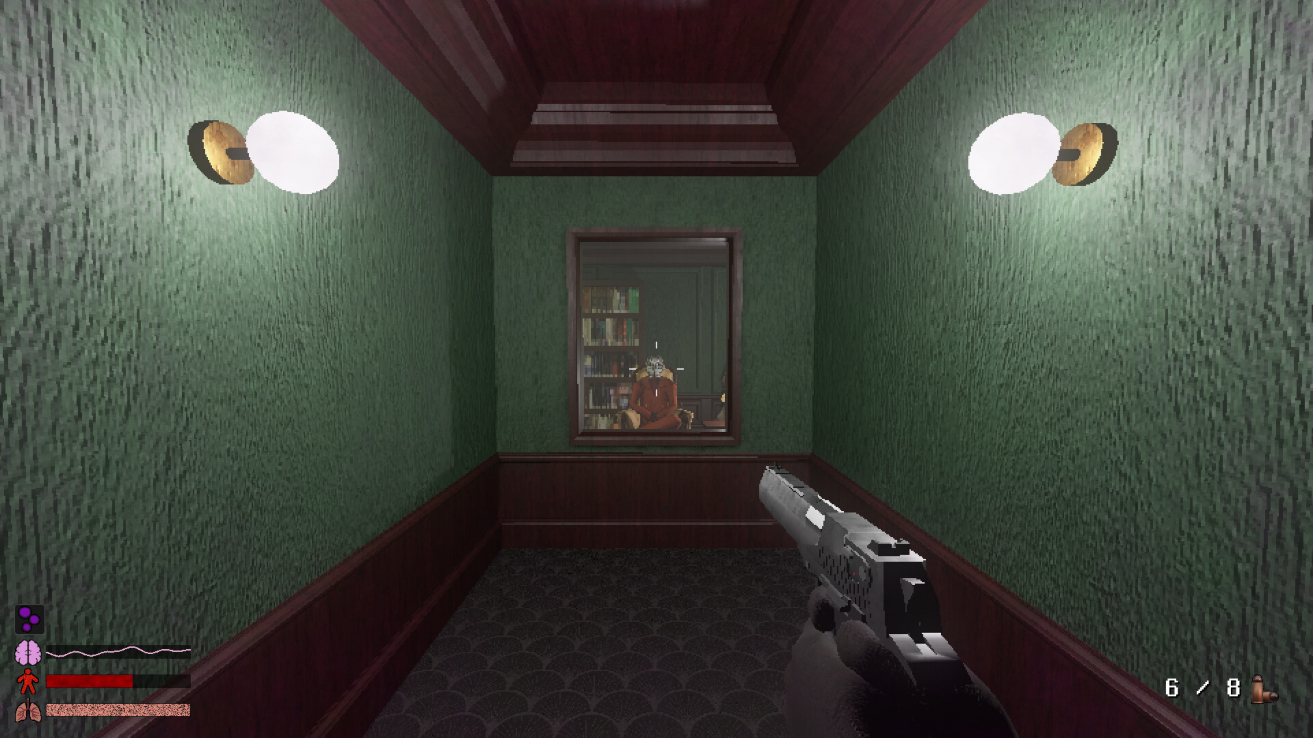
Like the same games that inspired it, Hypnostasis has some odd quirks now and then.
At one point in time, not being able to drop weapons or armor made for some busywork every now and then when you need to switch stuff around in your backpack. Taking items out, dropping them, switching things back around, and auto-sorting all to just put a shotgun away temporarily did get to be a little annoying towards the end of the game.
Thankfully, even as I was writing this, TPX500 addressed this by giving you some extra room in your storage, and even a way to upgrade your backpack size. Before I mention anything else, I should mention that they’ve been nothing but receptive to feedback and bug fixes. They even reached out to fix a small technical issue I had with Hypnostasis‘ demo way back when I originally covered it.
Some small things did stick out to me every now and then. A chest you can unlock after a fun platforming section in the slaughterhouse area was facing backwards, though I could still open and access it just fine. A pair of iron maidens in the venue area looked like they were clipping into the walls they were placed against. I never experienced any crashing, thankfully. But there was some occasional stuttering when I got hit with a new status effect.
This isn’t a technical issue, but I do have to harp on the few chase sequences Hypnostasis has. Again, like in Total Chaos, they’re thankfully short. I’d even say that the context they take place in makes them standout moments as opposed to just an annoyance. One of them even challenges your ability to dodge and weave around enemies fairly well.
But these are just a giant pet peeve of mine. I want to battle things. I want the choice to run away if I feel like I need to. Of course, if you do like these segments, I’m glad you’re getting something out of them.
Should You Play Hypnostasis?
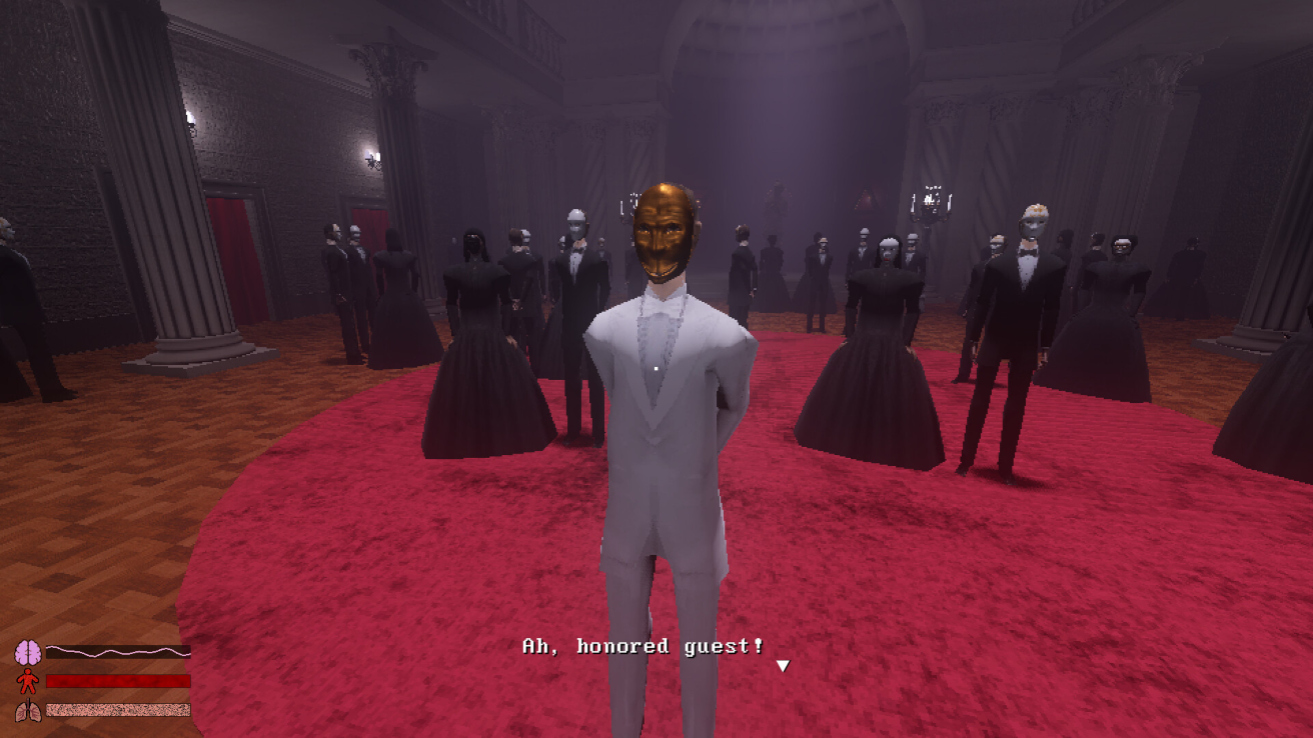
I’ll be genuinely upset if Hypnostasis doesn’t blow up in popularity at some point. A lot of games I play, especially those that take inspiration from very specific classics, tend to ape the aesthetics and the general vibe of playing like what they’re inspired by. But they either just replicate that feeling without really adding onto it or miss that crucial spark that really captured what made them so good to begin with. But this? I genuinely feel like this is an evolution of the GoldSrc mods that came out so long ago. Hypnostasis has what made them work, yeah. But it adds its own flair to it.
There’s so much that I love about this game that I couldn’t even bring up naturally. Realizing that booze had some ludonarrative elements was a real treat. It was thrilling when certain armor pieces dramatically changed how you play, like giving you flat out immunity to certain status effects or replacing your sprint with a dodge. I even got a kick out of how powerful the rustic shotgun is once you get a special attachment that fires both barrels at once. And I love just how much I haven’t really pieced together yet. There’s still so much to uncover, so much to understand. And I’m just barely getting started.
I love Hypnostasis. This is easily one of my favorite horror games, let alone one of my favorite games of the year. If you’ve been feeling nostalgic for those terrifying GoldSrc mods you probably grew up with, or if you’re just aching for a unique survival horror game with plenty to do, you’re in for a great time here. I can only imagine the game will get even better as more bugs are fixed and more stuff is potentially added in the future.
Hypnostasis is available exclusively on Steam.
Support independent genre journalism. Horror Geek Life is powered by passionate writers, editors, and fans. If you enjoyed this article, you can help us keep the lights on by buying us a coffee.
As an Amazon Associate, Horror Geek Life earns from qualifying purchases. Some links may be paid affiliate links, which means we may earn a small commission at no extra cost to you.