












With the 2024 release of Alien: Romulus, fans of the classic sci-fi horror franchise finally had something to celebrate, after decades of mediocrity. Sure, there have been some solid moments strewn among the several different Alien entries since the ‘80s. Overall, though, since James Cameron’s 1986 sequel Aliens, disappointing is probably the best word to describe the Alien franchise. While Alien: Romulus had its share of issues and weird creative choices, it was certainly competent. Unfortunately, it still didn’t return the Alien franchise to form. All of that changes with Alien: Earth.
Noah Hawley’s (Fargo, Legion) eight-episode FX series stars Sydney Chandler (daughter of actor Kyle Chandler), Essie Davis (The Babadook), Alex Lawther, Samuel Blenkin, Babou Ceesay, and Timothy Olyphant. Alien: Earth takes place two years before the events of 1979’s Alien, but after Ridley Scott’s prequel films, Prometheus and Alien: Covenant.
Contrasting with the other Alien films, Alien: Earth takes place on Earth, following the Prodigy Corporation and its young, trillionaire CEO, Boy Kavalier. Kavalier and his company of scientists have created technology to transfer human consciousness into the bodies of synthetics. On the corporation’s private island, they create the first human-synthetic hybrid by transferring the consciousness of a dying child into a synthetic, then do it again with a group of other young, terminally ill children.

Meanwhile, a Weyland-Yutani spaceship is sabotaged and crashes into the Prodigy-owned section of Earth, carrying several different deadly species of extraterrestrial, including a fully-grown Xenomorph and eggs. Kavalier uses the crash as a way to test out his new group of hybrids in an extraction mission, in order to steal the captured species from Weyland-Yutani and use them for his own profit and corporate development.
Related: Why ‘Aliens’ Is Still a Masterpiece of Tension, Dread and Horror
From a story perspective, it’s so great to see an expansion on the corporate takeover on Earth and see why Weyland-Yutani is such a powerful force in the first two Alien films. Prodigy is another of these juggernauts, and the entire world is controlled by five of them. Boy Kavalier is an arrogant, reckless, sociopath who would gladly sacrifice human lives for the advancement of his agenda and ideas. Samuel Blenkin plays this role perfectly; you want to smack this guy in the face from the second he appears on screen.
That’s not the only expansion we’re treated to, as Alien: Earth finally brings in some other, yet seemingly related extraterrestrials to the forefront, including acid-spewing flies and the Trypanohyncha Ocellus, a little eyeball parasite that can control its hosts’ bodies and seems to have a beef with the Xenomorph species. Seeing these new creatures adds an entire new level of intensity to the series, because the Xenomorphs aren’t the only danger… or even the deadliest. In fact, T. Ocellus very much steals the show.

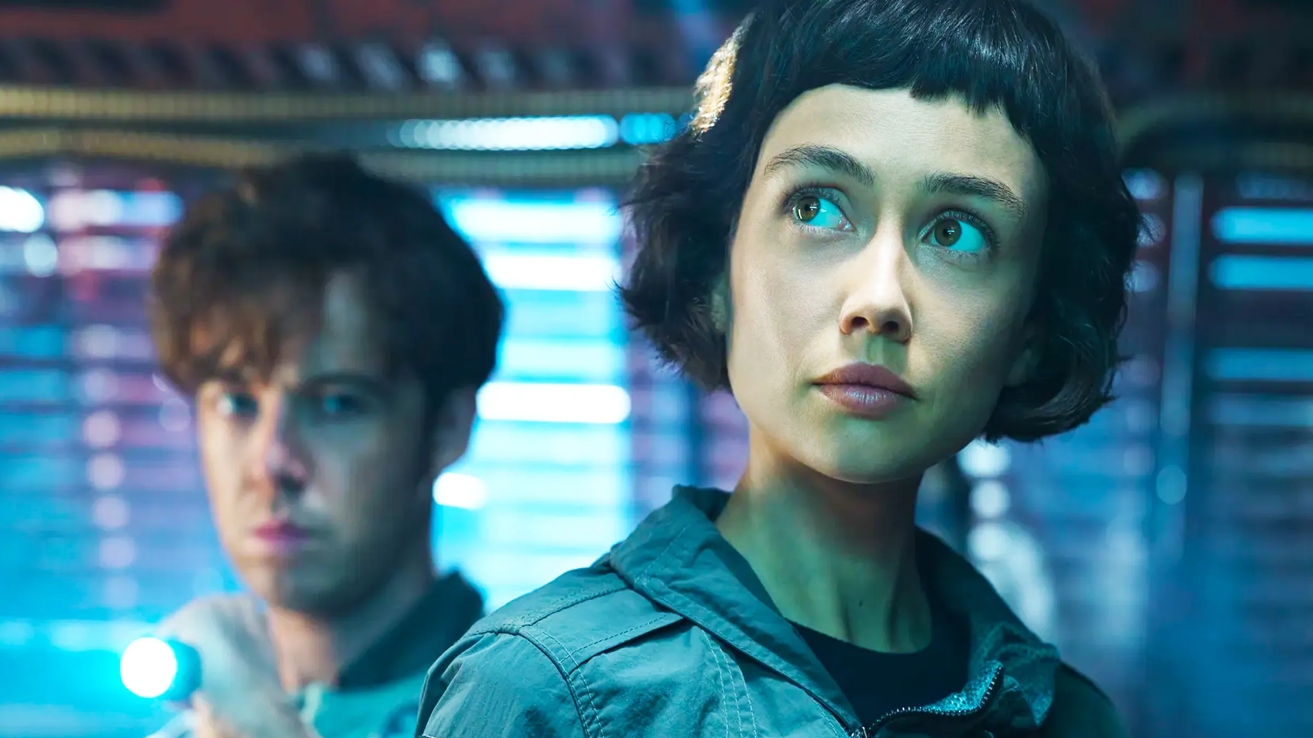
Sydney Chandler is fantastic in the lead role of Wendy. She plays the part of an innocent child trying out a new toy, which quickly turns into unchecked emotions when she becomes upset or aware that she’s being used for corporate measurement matches. As the series moves forward, she starts to realize her power, and her insecurities turn to full-on defiance. Other standouts are Babou Ceesay as a vengeful Morrow, the crashed ship’s chief security officer cyborg, and, of course, Timothy Olyphant as the stoic and no-nonsense Kirsh, Prodigy’s chief scientist synthetic.
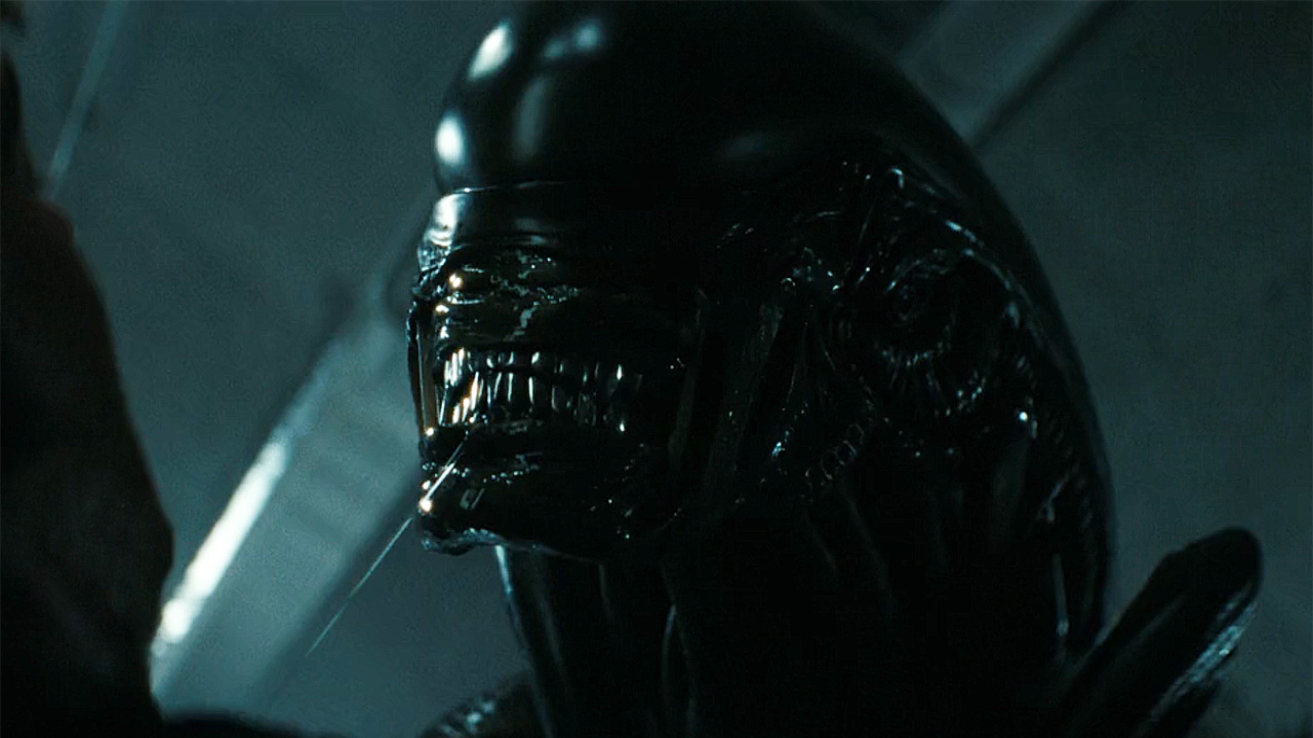
Alien: Earth turns up the gore and the practical effects, perfectly blending the horror and sci-fi genres in a way that made the original film such a masterpiece. The corporate security teams are no match for such cunning, lethal creatures, and the Xenomorph especially cuts through them like butter. There is no shortage of brains exploding, body parts flying, and skulls being melted in this one.
The alien-human showdowns were made all the better by Hawley’s focus on adding as many practical effects as possible, both in the creature department and in making the ships, buildings, and environments feel as close to the original Alien film’s aesthetic as possible. There are a few moments when the Xenomorph very much looks like a man in a suit, but that’s par for the course in this franchise, and if you think about it, that’s basically what a Xenomorph is.
I only have a couple of small gripes with Alien: Earth. The pacing, especially early in the season, felt a little off. Blending drawn-out story work with action sequences seemed like the focus, but for the most part, in the early areas of the season, there were some large slowdowns. I also felt like the last few episodes felt rushed, like they were playing catch-up to resolve the story, with as much intensity as possible.
The crescendo of dread throughout the series is great, but it doesn’t seem to culminate in an ending that I wanted or was expecting. There was a bit of a cliffhanger with several characters not receiving their comeuppance; a bold move without a confirmation on season 2.
Related: ‘Predator: Killer of Killers’ Review: A ‘Predator’ Fan’s Dream Come True
Simply put, Alien: Earth is the best thing to happen to the franchise since Aliens. It fully matches the tone and style of the first two movies, making it feel closely connected, rather than disjointed and weird.
Considering the series’ 93% on Rotten Tomatoes, and its #1 streaming spot on Disney+ and Hulu, it would be hard to believe Alien: Earth won’t receive a second season, hopefully answering the questions the ending left open. I recommend any fans of the franchise to check it out, along with anyone who just loves good, gory, sci-fi scares.
Alien: Earth is now streaming on Hulu and Disney+.
We’re hardworking geeks who love to geek out, but we can’t do it without you! If you enjoyed this article and want to see more like it, please consider tipping our writers. Also, as an Amazon Associate, we earn from qualifying purchases.