










Common tropes found in isolation horror have happened to all of us at some point in our lives: we mistakenly take a wrong turn while driving and find ourselves in an unrecognizable area, lost and alone. Thankfully, we live in an age where all we have to do is whip out our phones, plug coordinates into the GPS, and within minutes, we are again safely on our way to our destination. Even so, a simple misstep could mean a situation of life or death, as is the case with stories on the news of missing hikers who become lost off a trail and, unfortunately, don’t survive.
For anyone experiencing either of those scenarios, there is a moment of inherent, sheer panic with the thought of being displaced from the security and comfort of mankind. We, as humans, are social creatures, and we crave the reassurance provided by others that we are not alone in this world. Even the most introverted amongst us can understand this concept, as it is something deep within us, inherent since the age of the caveman. Being on your own in those times meant you were vulnerable and an easy target with predators. It was when the term “safety in numbers” was a literal statement, and we’ve never quite moved away from that feeling altogether.
Knowing all this, it makes sense that this notion would be explored in horror films. It’s one thing to pit a character against a formidable foe, but it’s quite another to put them in a circumstance where they are fighting for their lives, and help is not on the way. We’ve seen time and again in movies that if the person trying to get away from the threat can just get to that phone, car, or the police, they’ll be safe, and the enemy will be vanquished. Whether they actually achieve that objective is a toss-up, as sometimes the hero doesn’t make it to the end. Regardless, the goal is there, even if it’s just out of reach.
So, what about when someone is truly on their own and has no one to rely on but themselves, or in some cases, just a small group of others? Is the thought of no easy escape from the danger a more frightening possibility? If we look at some of the most famous isolation horror movies that have explored this, it’s easy to see the answer.
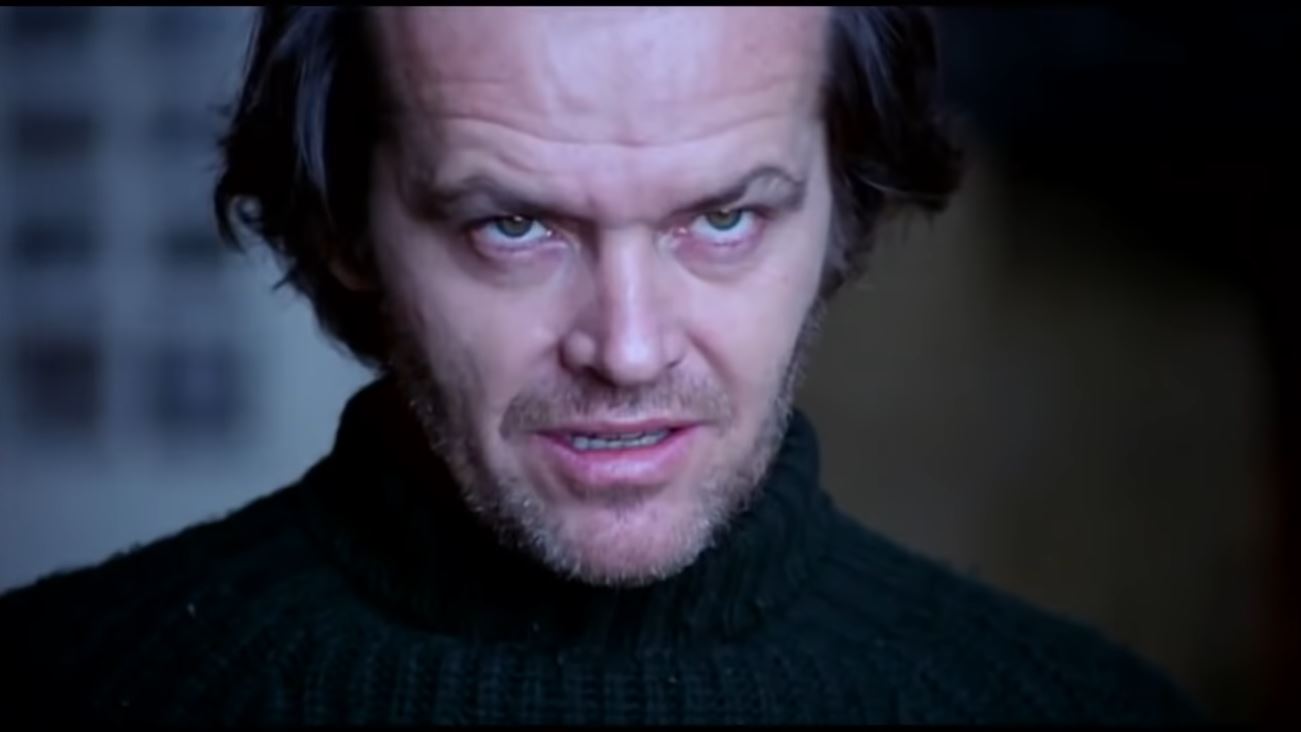
From a psychological standpoint, one of the best instances is The Shining. In this case, the main character, Jack Torrance, is slowly driven mad by the ghostly inhabitants of the secluded Overlook Hotel. He isn’t alone—he’s got his wife and “gifted” son Danny along with him, but is that enough?
The hotel has a grisly past, and the family is snowed in and trapped with no one else except those supernatural beings still hanging around. It could be argued that what truly seems to break Jack’s sanity is more the utter isolation and “all work and no play.” It’s one of the most famous lines in all of cinema. It encapsulates the story’s central theme about how stressful circumstances combined with forced solitude can drive a person to insanity.
RELATED: Ghosts, History, & Stephen King: Experiencing the Stanley Hotel
While The Shining is a primary example of isolation horror in movies, countless others touch on the more specific threat of victims being hunted by monsters with no easy way out of their location. To get an idea of this notion, look no further than two of the most classic films of their time – John Carpenter’s The Thing and Ridley Scott’s Alien.
In Alien, the threat is singular and comes in the form of one very fast-growing and frightening planetary being that torments the crew of the Nostromo. It’s hard to imagine a more terrifying scenario than being one of those crew members trapped on that ship, with limited resources or hiding places, up against a creature they know nothing about.
The distress that would come with having to witness an alien creature literally burst from the chest of one of your co-workers, only to then see it scurry away to the depths of the ship you are on, would be debilitating. Despite the fact that these are experienced and intelligent crew members, the Xenomorph is an unknown entity that is far more powerful than they are, and there are only so many places on the ship that they can go.
Similar to Alien’s “monster in a house” scenario, The Thing tells the tale of a group of scientists at a remote research facility in Antarctica who are stalked by a shape-shifting being that can take on the appearance of its victims. It’s the ultimate game of paranoia as they desperately try not only to defeat the creature but also to figure out who has been taken over by it.
While The Shining and Alien provide characters with at least some sense of combined bond in the attempt to survive, The Thing pits characters against each other while also placing them in the most inhospitable location imaginable.
In all these cases, the theme is the same: if you want to make a horrific situation even scarier, give your victims no easy access to escape, with little to no support from other human beings.
If you need further proof, just take note of the feeling that creeps up your spine the next time you walk through a haunted attraction this Halloween season. You’ll likely feel immense relief and comfort once you step back outside to the safe haven of the hustle and bustle of humanity. It may even make you appreciate those that surround you that much more.