







One of the greatest compliments a piece of art can receive is that its message means different things to so many people. It connects to the population in a way that differs from the easily digestible, commercial aspect of the artistic world, not so easily disposed of or forgotten. One Flew Over the Cuckoo’s Nest is such a film, celebrating many things that even now, fifty years later, still have meaning and hit people in so many different ways.
Based on Ken Kesey’s best-selling novel from 1962, One Flew Over the Cuckoo’s Nest is set in a psychiatric hospital, and during the ’70s, you can imagine what the state of the medical profession was like when it came to mental illness. As we meet different patients, we quickly realize that while some need help, many are misdiagnosed and hidden away from society because people don’t really know what to do with them.
It creates a depressing, restrictive, and demeaning atmosphere that begs for something to change. It needs someone to inject some life into what is barely a hospital and more closely resembles a holding pen for animals.
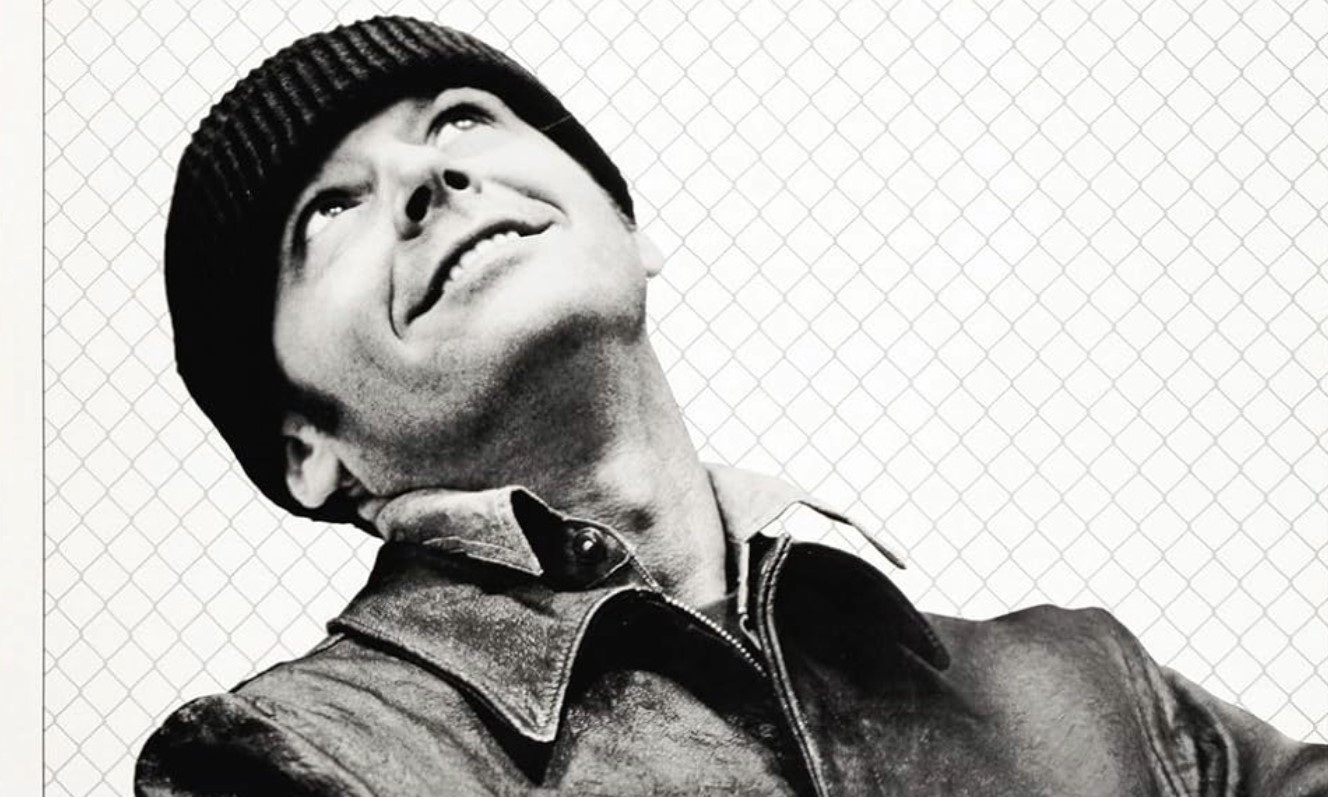
Into this mix strolls R.P. McMurphy (Jack Nicholson), who has been sent in for evaluation. It is here that the film begins its journey, as McMurphy causes chaos, challenges authority, and, at the same time, shows empathy and compassion for the patients he interacts with. He looks at them differently. Needing constant stimulation himself, he takes it on himself to try to free some of the patients from what ails them, which has very mixed results.
RELATED: ‘Little Lorraine’ TIFF Review: A Slow Burn Canadian Crime Drama
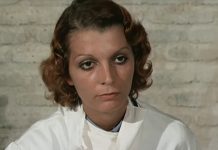
As the film unfolds, the audience begins to question whether it’s about freedom, redemption, or about watching McMurphy push hard only to surrender and fail in the end. Director Milos Forman makes excellent use of the cameras as McMurphy goes toe to toe with Nurse Ratched (Louise Fletcher), who is magnificent in this role. Her eyes could level most people, and her inflexibility and insistence that she is right fly in the face of everything McMurphy believes in.
The film mixes mental illness and comedy in a way seldom matched, and shines a bright light on challenging the establishment for reforms and change. While the medical profession has made leaps and bounds in technology, it remains highly relevant today. There are still many being left behind. People are pushed into medications that have less to do with healing and more to do with the big pharmacies that reap the profits.
As the inmates watch McMurphy defy everything they have been told is right, Nurse Ratched loses control. While he succumbs in the end due to pushing too far, it still seems like a victory.
RELATED: ‘John Candy: I Like Me’ TIFF Review: A Moving Tribute to a Comedy Legend Gone Too Soon
However, there are times we see Nicholson’s character stop and ponder, the camera catching real emotion on his face. It is as if he has gone too far, or Nurse Ratched might even be too much for him to outmaneuver. While all of his antics — the fishing trip, the World Series game on TV, the outright defiance of everything this institution stood for — made him a hero, in the end, he personally lost his battle.
He was put out of his misery by a fellow inmate after a lobotomy stole the essence of who he was. It’s a powerful moment that makes you ask yourself whether he accomplished anything while at this institution.
These questions are what make One Flew Over the Cuckoo’s Nest such a compelling film on many levels. It’s a wild mix of mental patients awakening through comedy. They push back against a barely human system — something we still struggle with worldwide today — and a sad yet triumphant man who may have lost the fight but made the battle worth fighting.
As an Amazon Associate, we earn from qualifying purchases.