

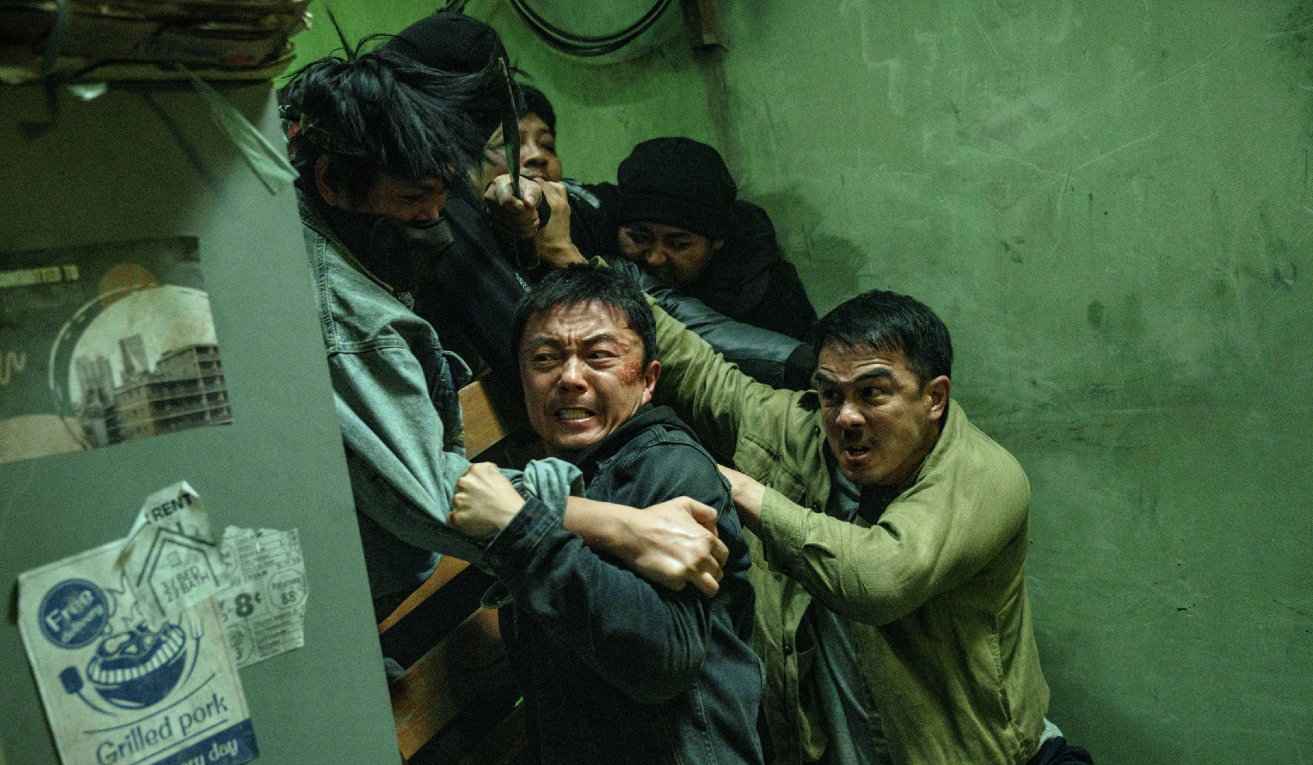
The film industry is hard to predict these days, with big studio films flopping at the box office while sleeper hits break records. Still, some in the industry continue to take risks, including the team behind the ambitious, stylized, and brutal martial arts action film The Furious. Ahead of the film’s theatrical release, we spoke with producer Bill Kong, whose years in the industry have given him keen insight into the business.
While becoming a producer was not exactly what Kong had striven for in his career, the market’s shift prompted him to adapt. He admits, “I was kind of forced into it, actually. Before I was a producer, I was a film distributor, and back then, the industry was having a couple of bad years.”
He says, “Films became difficult to buy, and those that were available were so expensive. I decided then, which was back in the late ’90s, to become a producer, and that’s how I got involved with Crouching Tiger, Hidden Dragon in 2000. I was basically pushed into it by the world.”
A visit from Los Angeles and a conversation helped spur Kong on to get involved in making The Furious, as “The individual visiting said he thought I was dead. He hadn’t seen or heard from me for years, and hadn’t seen a Hong Kong action movie for quite some time. That started me thinking, fueled my ambition.”
He continued, “I began to wonder, though, if our part of the world, in Hong Kong, still had the ambition and desire to make a big martial arts action movie. So I talked to Kenji (Tanigaki) about getting involved, if he wanted to do something for the world. That’s how I pitched him to do this together.”
This ambition and desire led to the question of how to make a martial arts film that is special and stands out from the rest. Kong explained his philosophy on this, “It just needs to be better, it needs to be something you haven’t seen before, it needs to be special. When I made Crouching Tiger, Hidden Dragon, people made similar comments; they had never seen things like that in that movie, and it surprised the world.”
He took this experience and used it in making The Furious, explaining, “When it came to make The Furious, it was about making something different, and people have responded, saying they’ve seen things in the film they’ve never seen before. This is what you want; you must outsmart the people’s expectations.”
RELATED: Clean Kills, Dirty Truth: How Hollywood Made Movie Violence Feel Easy
There is a strong story running through the film, which tackles difficult themes, including child trafficking and lost loved ones. Kong talked about how that story came to be and how it helped shape the action sequences. “We developed the story in-house, wrote it in-house, had a couple of outside writers contribute, but the director, Kenji, was also very involved in the story. He wanted it to help drive the actors, have more purpose and motivation in the action scenes.”
He continued, “Kenji was very demanding about wanting more emotion, wanting the actors to be furious in their fight scenes, and maybe that’s part of what makes this film different, there is not just action, there is actual acting and emotion behind the fighting.”
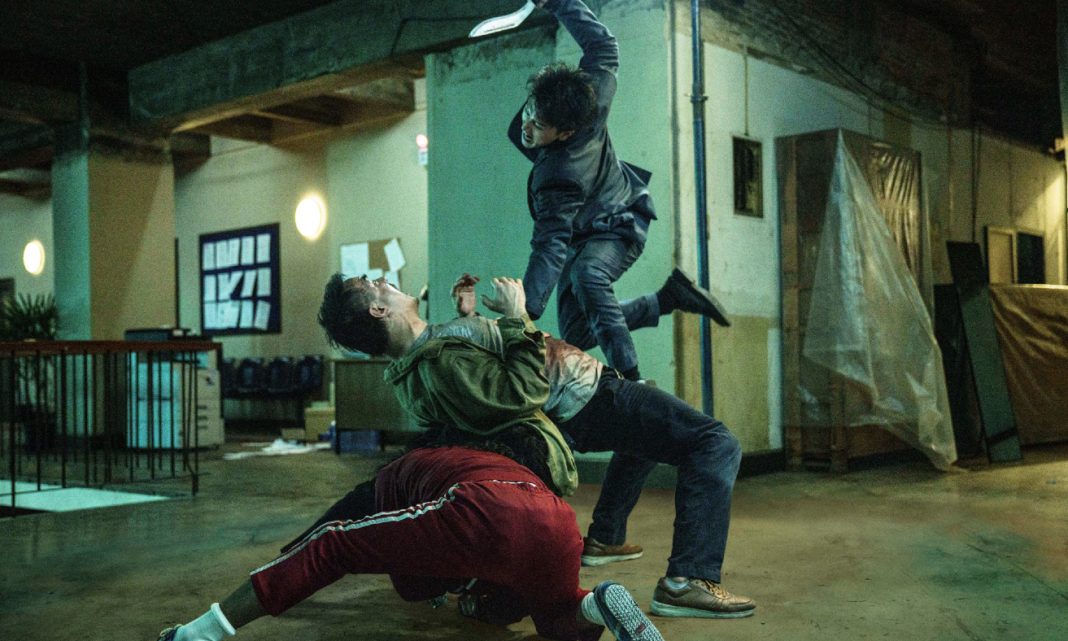
While convinced this is a very special film, Kong is hesitant to predict how it, or any martial arts film, will perform at the box office. He tells us, “I don’t know how it will do, but I don’t know if anyone knows the market these days. I think the film will attract the hardcore action audience; there is a good fan base there, but I just hope it will cross over to the younger people. We need the horror audience (laughs). Horror is the only genre that continues to do really well, so I hope we get some of that audience.”
With The Furious set for its theatrical release on June 12th, we asked the producer what he wants the audience to take away from it. “I hope they have fun and have a great time. Right now, everyone seems to want interactive entertainment; they want to get something out of the movie. We look at The Furious as a rollercoaster ride. Once you are into the characters, we want to take you on a ride, and in the last 90 minutes, we want to take you to the top floor and send you flying down to the bottom.”
Kong continued, “We want the audience to feel the impact, feel the pain of the characters, and leave feeling wow, that was fun.”