









The rise of relationship-horror over the last several years feels impossible to separate from the social and emotional fallout of the ongoing Trump era. And I do not mean that in the shallow “Orange Man bad” way people immediately reduce everything to whenever politics enters the conversation.
I mean something much larger and far more psychologically corrosive: the sudden realization that millions of people discovered that the people they loved, trusted, and felt safe around were not who they thought they were. That realization changed people, and you can feel it everywhere now, especially in horror.
Movies and television have always reflected cultural anxieties, but horror tends to absorb them faster and more honestly than almost any other genre. In the aftermath of 9/11, the genre became consumed with paranoia, surveillance, torture, and loss of control. During the economic collapse, we saw an explosion of stories centered on desperation, class division, and survival.
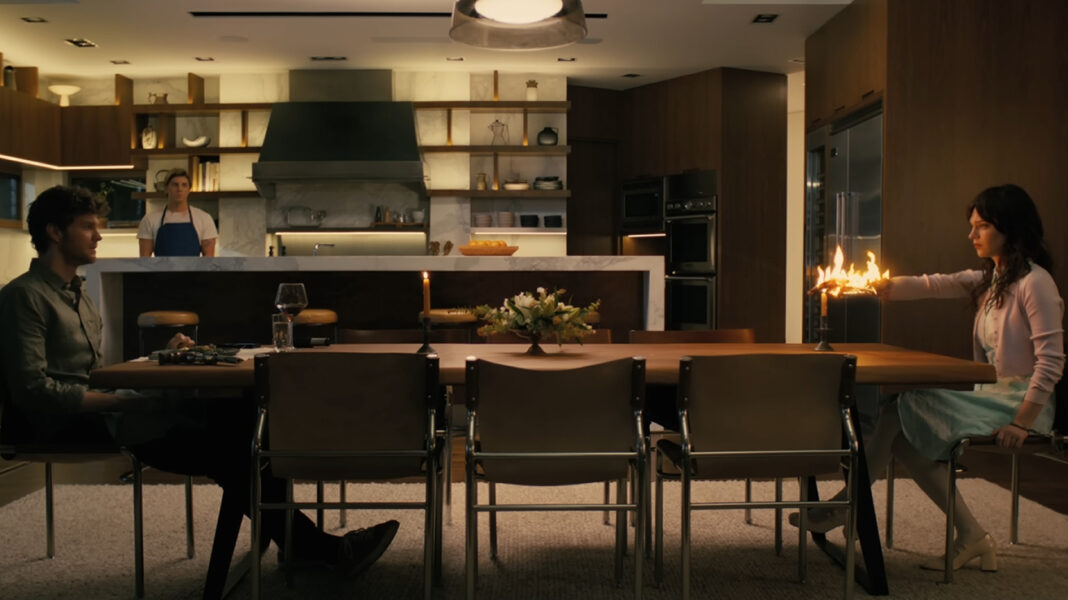
Today, relationship horror has become one of the dominant forms of fear. Modern life is defined by distrust, alienation, emotional performance, and the horrifying possibility that intimacy itself may no longer be safe. The home used to be a refuge, and the danger came from outside. A masked killer. A demon. A monster. An intruder. Now the terror increasingly comes from the person already seated across from you at the dinner table.
That shift feels deeply connected to what many people experienced beginning around 2016 and continuing through the years that followed. Families fractured. Marriages collapsed. Lifelong friendships ended overnight. People watched loved ones become consumed by conspiracy theories, cruelty, extremism, or ideological identities that seemed completely incompatible with the person they thought they knew.
It was not just disagreement; it was moral estrangement. The realization that two people could occupy completely different realities while sharing the same bed. That is relationship-horror in its purest form.
RELATED: ‘Hokum’ Star Florence Ordesh: “It Was a Page-Turner, Even as a Script” (Exclusive)
This evolution is clear in Companion, a film built around the terrifying instability of emotional authenticity. Beneath its sci-fi and psychological horror framework lies a story about conditional love and emotional control. The terror does not come merely from technology or violence; it comes from the realization that intimacy itself has become transactional and programmable. It taps directly into modern fears of manipulation, identity performance, and the growing inability to tell where sincerity ends and emotional exploitation begins.
In a post-Trump world where people increasingly feel that everyone is “playing a role” politically, socially, and emotionally, Companion feels less like abstract fiction and more like an extension of real-world emotional exhaustion. It reflects the fear that people can manufacture affection while quietly dehumanizing those beside them.
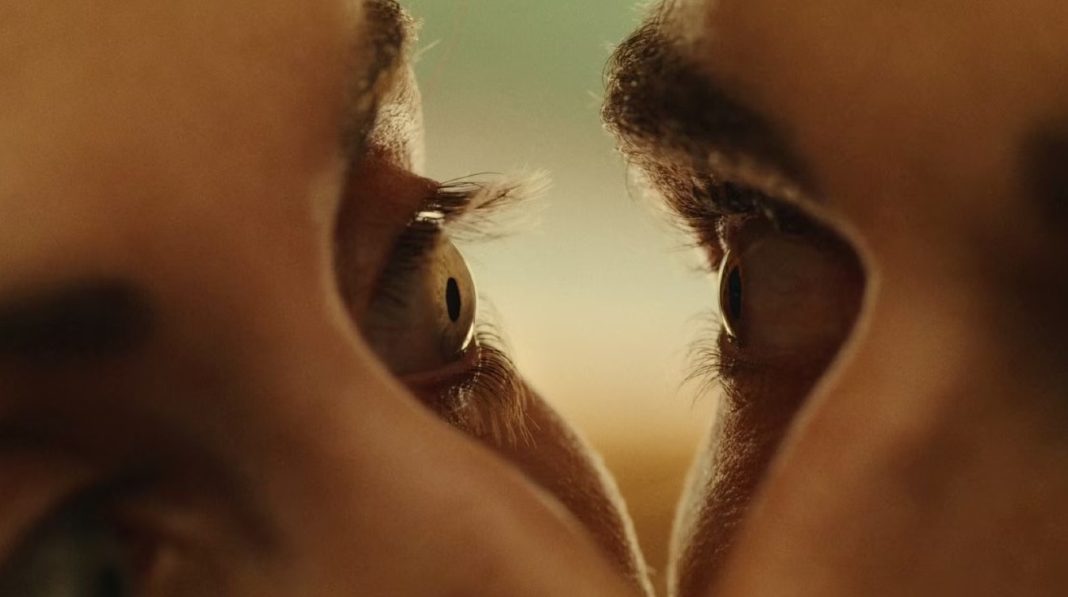
Then there is Together, which may be one of the clearest examples of relationship-horror functioning as an emotional metaphor. The film literalizes co-dependence through body horror, transforming romantic intimacy into something grotesque and invasive. Love ceases to be about connection and becomes consumption. Individual identity begins to erode under emotional fusion.
That concept resonates deeply in an era when many relationships have become emotionally politicized battlegrounds. The last decade has forced countless people to reevaluate not only who their partners are but also whether maintaining those relationships requires sacrificing parts of themselves.
Together weaponizes that fear. Its horror stems from the terrifying possibility that staying emotionally attached to someone who fundamentally destabilizes your reality can slowly destroy your sense of self.
RELATED: ‘Japanese Gothic’ Book Review: A Dread-Building, Historical Haunting
That emotional corrosion is also central to Obsession, the latest genre entry from breakout horror filmmaker Curry Barker, which explores fixation, emotional possession, and the inability to maintain healthy relational boundaries. Stories like Obsession hit differently now because they no longer feel exaggerated. Modern culture has normalized surveillance within relationships to a disturbing degree.
People monitor each other through social media activity, location sharing, text behavior, algorithmic recommendations, and online personas. Trust has increasingly given way to constant observation and interpretation. Obsession taps into the paranoia that this dynamic creates. The terror is not simply that someone loves too much; it is the realization that modern relationships increasingly blur the line between intimacy and control, between devotion and emotional imprisonment.
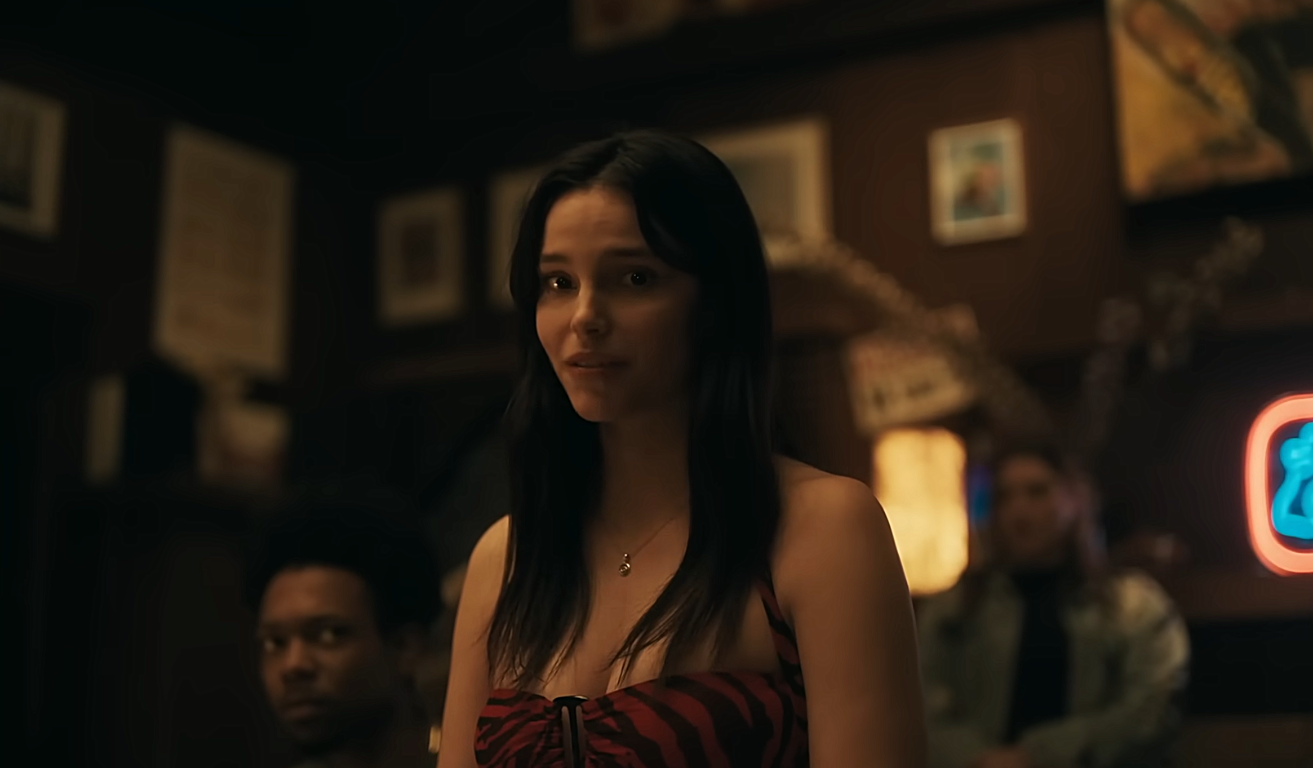
Meanwhile, the Netflix series Something Very Bad Is Going to Happen thrives on anticipatory dread and emotional instability. The title itself reflects the collective psychological state many people have lived in over the last decade, a constant undercurrent that catastrophe is always approaching.
The series weaponizes uncertainty in relationships, creating tension through emotional fragility and an inability to fully trust either circumstances or the people involved. That atmosphere mirrors the emotional exhaustion of the Trump era almost perfectly.
RELATED: ‘Hokum’ Review: Adam Scott Leads a Chilling Descent Into Madness
Many people spent years feeling that every conversation, family gathering, and social interaction carried the possibility of sudden rupture. Relationships became emotionally volatile as underlying value systems no longer felt secure. Something Very Bad Is Going to Happen captures that exact emotional climate: the fear is not just the event itself; it is the unbearable tension of waiting for the collapse you can already feel coming.
What connects all of these works is that none of them treat relationships as inherently comforting anymore. Love is unstable. Intimacy is uncertain. Emotional closeness is a liability rather than a source of protection. That is a major cultural shift, and horror has recognized it before many mainstream dramas have.
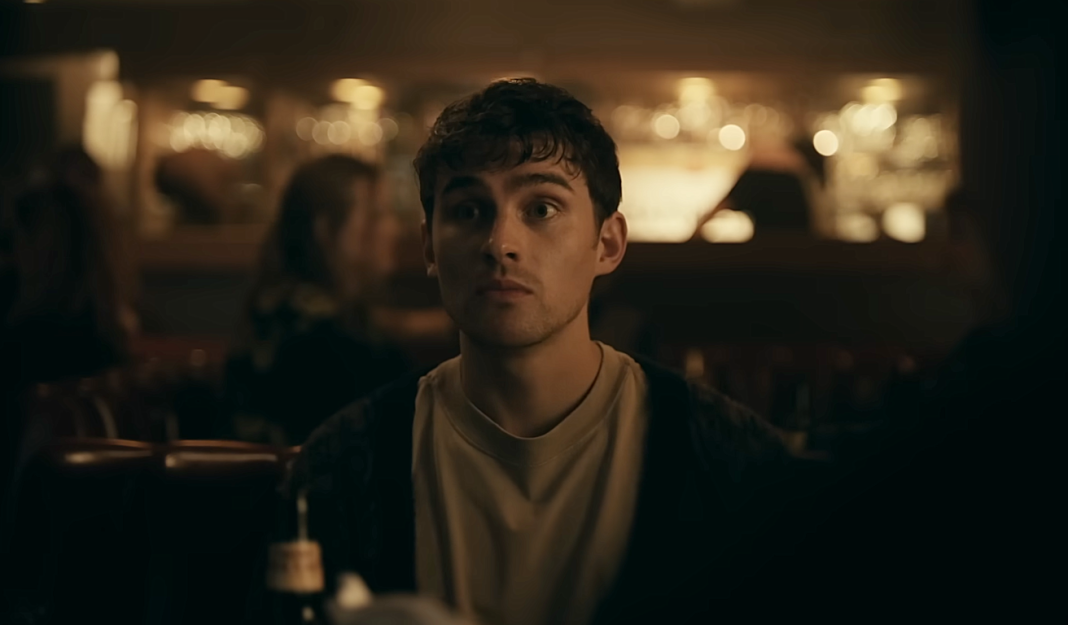
For decades, horror externalized evil. The monster came from outside the home. But modern relationship-horror increasingly suggests the danger is already inside the house. Inside the marriage. Inside the family. Inside the person who tells you they love you.
Honestly, that feels like one of the defining emotional truths of today’s world. Not because politics suddenly “ruined” relationships overnight, but because it exposed fractures that many people had not realized were already there.
The past decade has forced people to confront the horrifying reality that morality, empathy, truth, and basic humanity are far less universal than they once believed. Once that realization enters a relationship, intimacy itself becomes uncanny. That is why these stories resonate so deeply right now.
The scariest thing for many people is no longer the monster outside the house. It is the horrifying possibility that the person inside the house was never who you thought they were.