











The independent action film world lost a giant with the passing of Richard Pepin on August 14, 2025. For decades, Pepin’s name was synonymous with a brand of fast, furious, and unapologetically entertaining cinema. As a director, producer, and cinematographer, he helped define a certain era of video store action, one that still carries an undeniable impact today.
Through PM Entertainment, the company he co-founded with Joseph Merhi, Pepin built a legacy on sheer creativity, ingenuity, and a refusal to let budgetary limits stand in the way of spectacle. Car chases that shut down city blocks, explosions that felt ripped from a studio tentpole, and stunts that seemed impossible for an independent outfit, Pepin helped to make them possible. He was an architect of the kind of films you’d discover on a Friday night VHS rental, and they never disappointed.
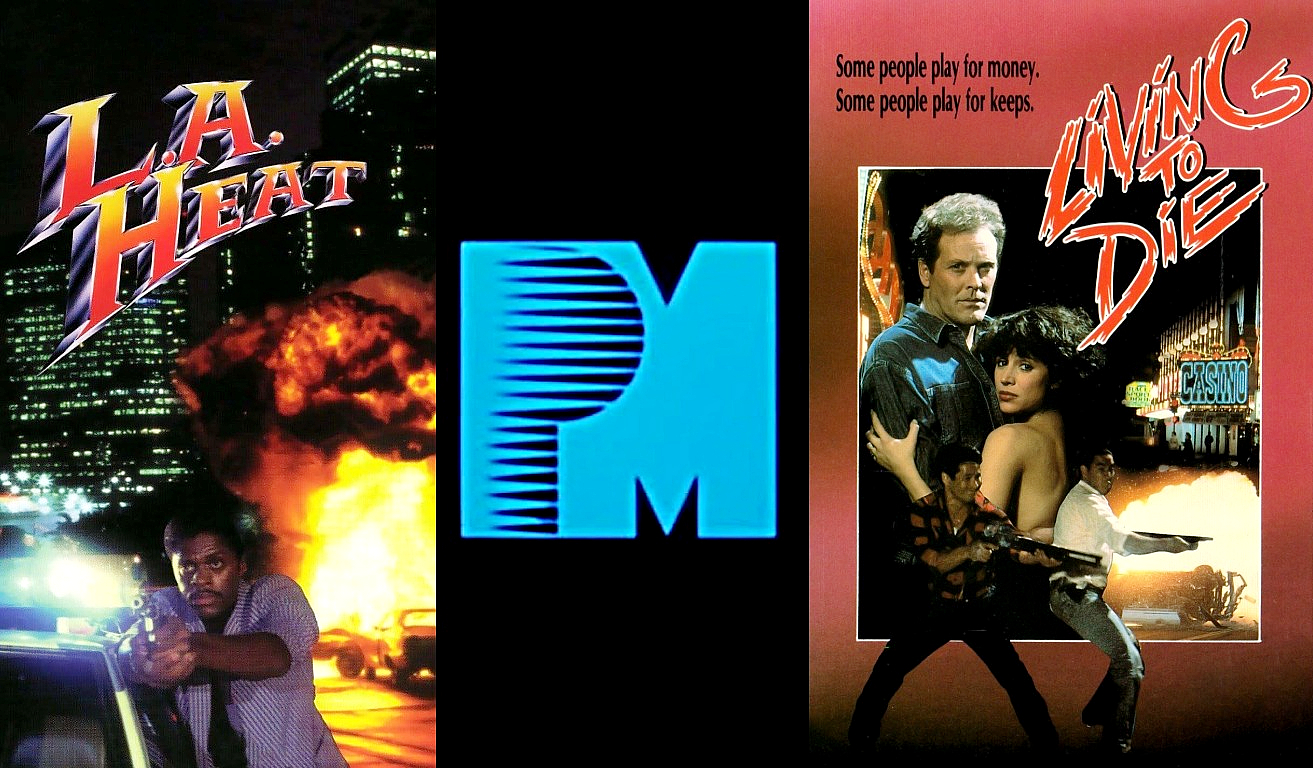
Pepin began his career behind the camera, honing his craft as a cinematographer. When PM launched in the late ’80s, he shot films like L.A. Heat (1989), Living to Die (1990), and Midnight Warrior (1989), bringing a sharp, stylish edge to low-budget thrillers. Even then, his camera work stood apart. It was fast, fluid, and energetic, always designed to maximize tension and action. Those early efforts laid the groundwork for what would become his signature: big-scale thrills on independent budgets.
As a director, Pepin was never content to simply churn out genre entries. His films had rhythm and energy, with a sense of movement that kept audiences locked in. The Sender (1994) showed his flair for sci-fi, while Fist of Honor (1993) and Firepower (1996) were entry-level PM films with explosive martial arts and bare-knuckle fights. His directing always made sure the action told a story; it wasn’t spectacle for spectacle’s sake, but spectacle that heightened character and conflict.
It was in producing, though, where Pepin left the deepest mark. With PM Entertainment, he and Merhi created a kind of mini-studio, one that rivaled Hollywood in ambition if not in resources. At their peak, PM was releasing a staggering number of films each year—police thrillers, sci-fi adventures, martial arts actioners, even television shows. As a producer (and cinematographer), one of his favorite films was the post-apocalyptic classic Steel Frontier (1995).
The PM name became a badge of honor for fans who knew they were in for something outrageous and fun. If you rented a Pepin-produced movie like T-Force (1994), Hologram Man (1995), The Sweeper (1996), or Executive Target (1997), you could count on two things: explosive action and fearless stunt work. Pepin and his team shut down highways for car chases, staged elaborate pyrotechnics, and gave audiences thrills on a scale that most independent productions wouldn’t dare attempt.
His collaborations with Don “The Dragon” Wilson (CyberTracker, Out for Blood) cemented PM’s reputation with martial arts fans. Meanwhile, working with Lorenzo Lamas (CIA: Codename Alexa, Final Impact) and Gary Daniels (Rage, Recoil) produced some of the most enduring cult action movies of the 1990s. Even their foray into television with the L.A. Heat series brought PM’s trademark style to the small screen.
RELATED: 7 Best Sci-Fi Horror Movies of the 1990s
What made these films endure wasn’t just the action—it was Merhi and Pepin’s vision combined with determination. He provided a proving ground for countless actors, stunt performers, and filmmakers who might not have gotten a chance elsewhere. They built an industry within an industry, a place where creative risks were encouraged and where limitations became opportunities.
Today, PM Entertainment films are beginning to enjoy a second life. Fokus Media has already started to restore and reissue these movies on Blu-ray, and a new generation is discovering the wild, inventive spirit that fueled them. The PM Entertainment Podcast celebrates Pepin and Merhi’s work, featuring reviews and interviews with their major players (including Pepin), trading stories about car flips, fire gags, and over-the-top gun battles that rivaled anything the majors were doing at the time. What was once seen as a disposable “direct-to-video” product has now been recognized as a vital, unique piece of action cinema history, and part of that recognition should go to Richard Pepin.
On a personal level, I feel fortunate to have spoken with Richard just a few months ago. Our conversations stretched back even further over email, and the exchanges revealed not just the man behind the movies, but someone who was kind, thoughtful, and genuinely supportive of those who appreciated his work. He had no ego about his legacy, only pride in what he and his collaborators built, and gratitude that people still cared about those films decades later.
RELATED: ‘Arcade’ (1993) Blu-ray Review: Albert Pyun Was Ahead of His Time
For me, his work has left an indelible mark. The movies he created weren’t just entertainment; they were a blueprint for what independent cinema could achieve with vision and determination. Richard Pepin proved that you didn’t need a Hollywood machine to deliver heart-pounding action and memorable storytelling; you just needed guts, resourcefulness, and passion.
Richard Pepin’s passing is a tremendous loss, but his films live on, as does the inspiration he gave to audiences and filmmakers alike. I’ll always be grateful for his work and for the chance I had to connect with him personally before his passing. I want to send my love to his family and friends as they mourn their loss. I also want to thank him once again for what he gave me as an action fan; he’ll never be forgotten.
We’re hardworking geeks who love to geek out, but we can’t do it without you! If you enjoyed this article and want to see more like it, please consider tipping our writers. Also, as an Amazon Associate, we earn from qualifying purchases.