









 Buy me a coffee
It’s Christmas Eve, 1989. I can’t remember the specifics of the weather. Let’s say it was cold and wet. It usually was. I’d been out the day before with my Mum for our traditional “last minute shop” in town. It wasn’t a necessary trip as all the presents were bought and wrapped. It was just something we did. This year in particular I’d managed to bag a copy of Marvel Masterworks: The X-men Volume 1 after randomly spotting it in a small, independent, bookshop. I was spoilt. Anyway there I was, in bed at about 9.30pm on Xmas Eve – early, for me – poring over the adventures of the original X-Men in glorious Jack Kirby-vision when on the telly came this creepy and compelling ghost story of isolation, madness, revenge and death. It included a jump-scare that I, and many others of my generation and beyond, would remember and talk about for years to come. I was hooked. That made-for-TV movie was, of course, The Woman in Black.
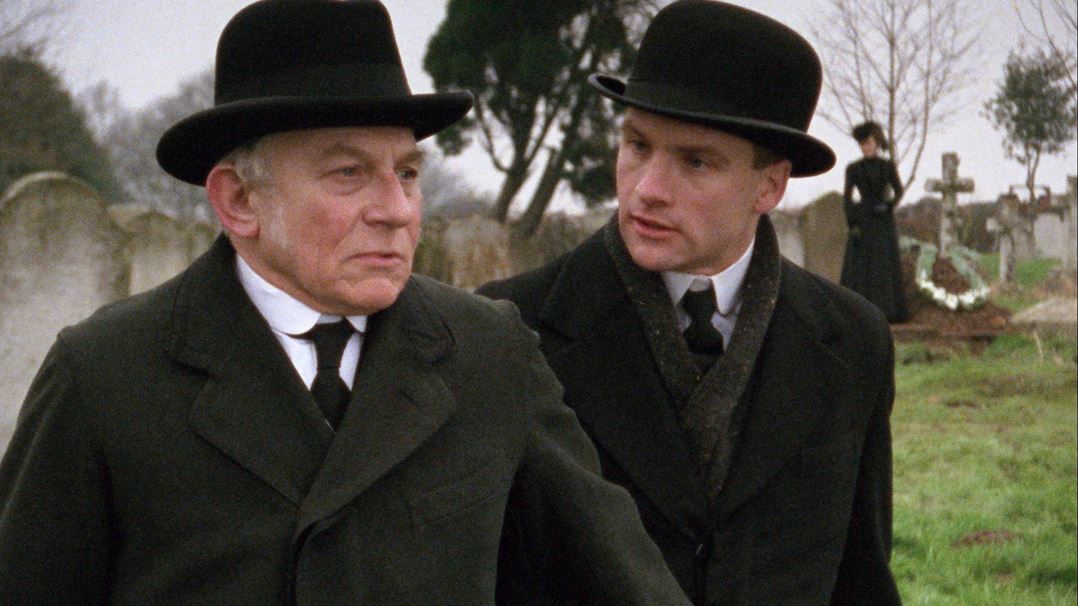
Junior solicitor, Arthur Kidd (Adrian Rawlins), is asked by his employer to travel from foggy London to the remote market town of Crythin Gifford to handle the affairs of the recently deceased Alice Drablow. That all sounds fairly straightforward, though Arthur’s boss isn’t exactly forthcoming with details and most people in Crythin Gifford are extremely elusive when it comes to divulging information about Drablow or her history. It soon becomes apparent that everyone does know more than they’re letting on when Arthur begins to see the titular woman in black and discovers what went on at Eel Marsh House all those years ago…
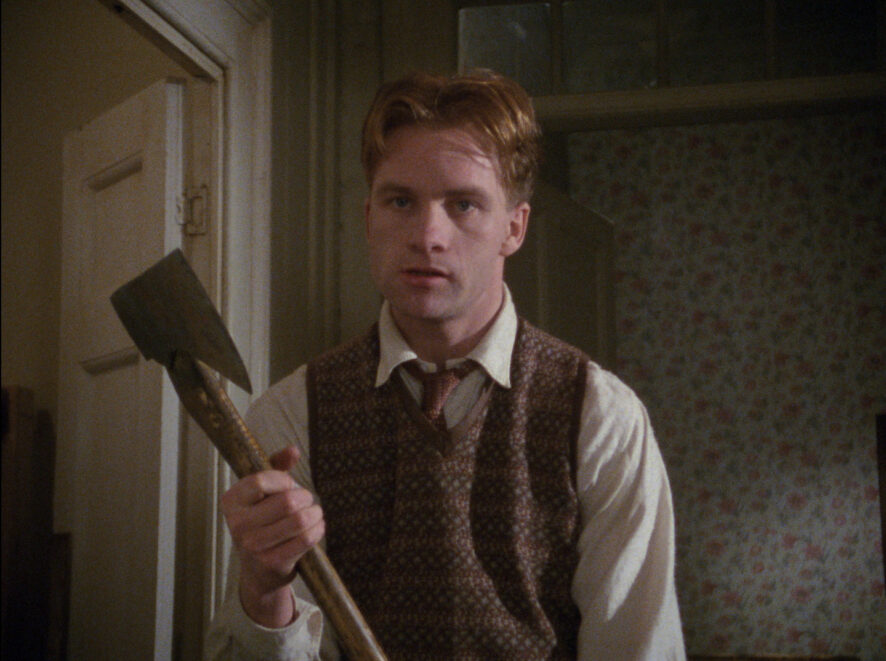
Many people, I’m sure, will be aware of the story via the 2012, big budget, film version starring Harry Potter himself, Daniel Radcliffe, in the lead role (quite funny considering Adrian Rawlins would play James Potter, Harry’s dad in the Harry Potter films). Let’s just say whilst that version may be good in its own right as a horror movie, the TV version of The Woman in Black is a much more subtle affair, and better for it – relying on story, acting, tone, atmosphere and clever camera work for its creepiness and scares! It’s also much more faithful to the original book, written by Susan Hill and published in 1983, than the 2012 version – despite Hill reportedly not being happy with the TV version at the time. However: Don’t get me started on the theatre production that has been around since 1987. Similarly close to the original text, it is now London’s second longest running play, having been staged there since 1989 whilst also regularly touring. I LOVE that show and HIGHLY recommend it to anyone if we ever get the chance to go to a theatre again in a post-covid world. It’s a master-class in stagecraft, sound & lighting effects, set design and acting ability, but I digress…
Starring a mix of recognisable British TV names – for those of us of a certain age – (Bernard Hepton, David Daker, William Simons) alongside upcoming and future TV and movie stars, (Rawlins himself, Clare Holman, Andy Nyman and Steven Mackintosh), The Woman in Black harks back to a simpler time of British TV film production and, in that, this release is akin to an archival piece of history – a love letter to ’80s TV storytelling and production as well as on-screen ghost stories in general. The ghost of the piece, in being able to haunt anywhere and curse anyone, purely driven by misguided revenge and hatred, is reminiscent of the cursed spirit in the Ju On: The Grudge franchise, yet predates that by at least 9 years. Written by British screenwriter, the legendary Nigel Kneale who created, amongst others, Quatermass and The Stone Tape as well as writing the original screenplay for Halloween 3 (Kneale was apparently admired by John Carpenter and invited onto that project by original director, Joe Dante), in The Woman in Black we have a classic ghost story in the mould of M. R. James.
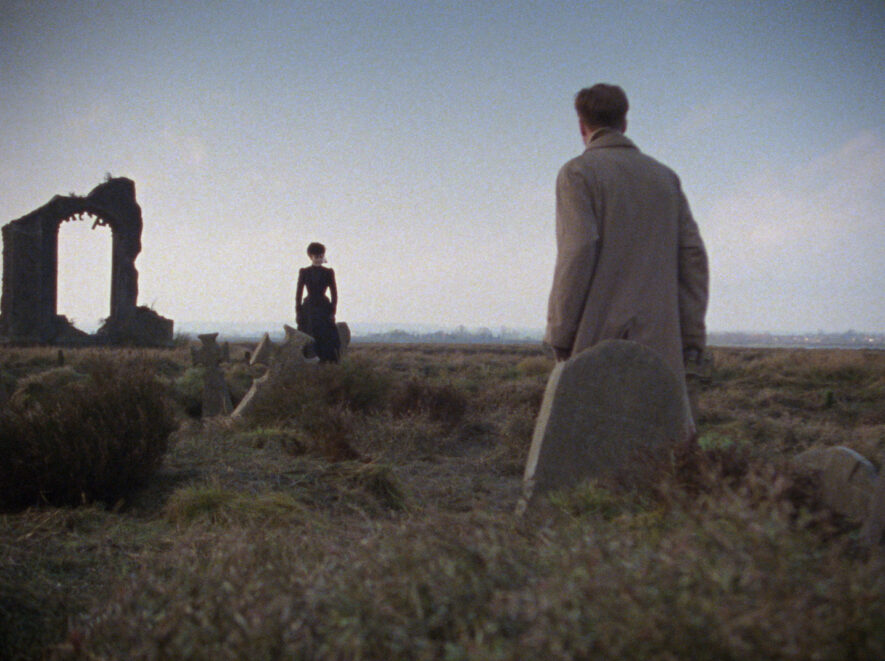
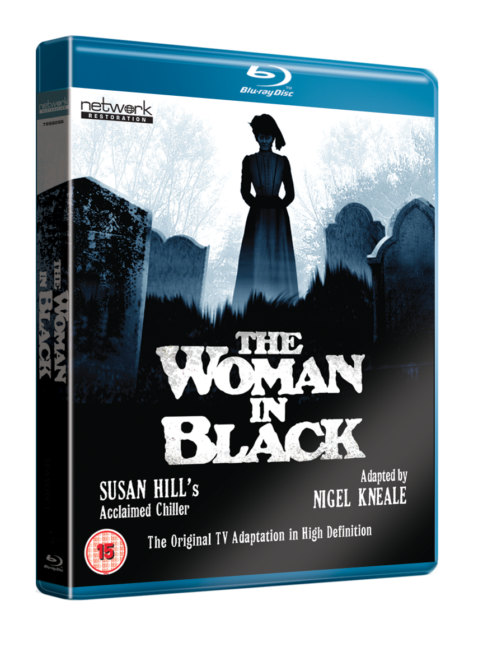
It only aired on TV once more, on Christmas Day in 1994, and since then has often been discussed but not seen, despite a couple of low key home media releases. Finally, after almost 31 years, we have this restored Blu-ray edition courtesy of Network Restoration. Scanned from the original 16mm film negatives – shown here in its original 4:3 broadcast ratio as well as a new widescreen version created using the additional picture area from the edges of the 16mm frame. Audio is also transferred from the original final tape mix. Expert commentary is provided by Kim Newman, Mark Gatiss and Andy Nyman. This initial limited, online only, release sees the film packaged together with a booklet by television historian Andrew Pixley and a reproduction of the original 1989 pressbook from Central Independent Television which makes it one for the collectors without breaking the bank. A standard release will follow in due course.
The film lasts 1 hour 42 minutes (which equated to 2 long, cold, creepy hours when aired with commercial breaks in 1989). For the most part this flies by, with just the odd scene here and there that seem to last a little bit too long including, unfortunately, the main ‘jump scare’. Initially this is just as creepy as it was all those years ago but then it’s, like, OK, you’ve made your point. Move along… My only real nag is that a couple of Arthur Kidd’s costumes were clearly too big for him which distracted me at points but, heck, that’s just me being pedantic.
Some might look at this and say it’s dated and “of its time” but despite the quirks, The Woman in Black is an example of a classic TV ghost story production that I can highly recommend. Watch it on Christmas Eve with all the lights off. Roaring fire optional.
The worldwide Blu-ray debut of The Woman in Black is available exclusively from the Network website now.
RELATED: Creator Spotlight: Tales from the Stitch Makes Crochet Creepy
Buy me a coffee