










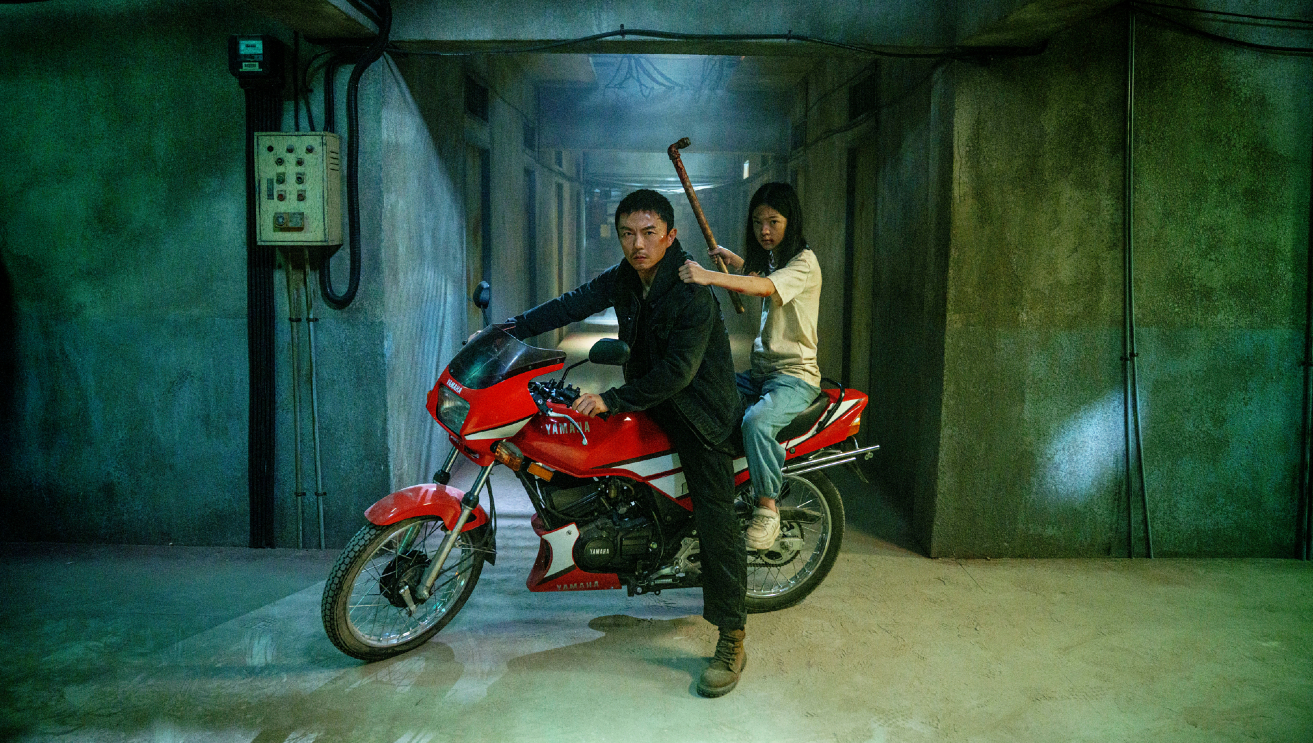
The Furious follows two men forced to team up to search for their loved ones while dismantling a child-trafficking ring. It blends a compelling story with incredible action. This is fertile ground for director Kenji Tanigaki, who is no stranger to the martial arts world. From stuntman to director of action choreography, Kenji has earned the respect of his peers and knows exactly what it takes to bring a compelling story together with some of the best action fight scenes to hit the screen in years.
We had the chance to talk with Kenji about directing The Furious, during which he discussed the team he assembled, the challenges of shooting the film, and what he learned along the way. The film hits theaters on June 12.
HGL: How did you come to direct The Furious?
Kenji Tanigaki: Well, Bill Kong, our producer, who was also the producer of Crouching Tiger, Hidden Dragon, I’ve worked with him on three different movies in the past, and he asked me one day, “Kenji, let’s make the ultimate action movie.” I wasn’t sure what the ultimate action movie was, but he asked me to direct it made by his company.
We found the story about human trafficking and some crime that happened in Southeast Asia, and that’s basically how we started the story.
HGL: The Furious is obviously a high-octane martial arts action film, but it also has a very strong story. As the director, did you find it difficult to balance the action and the story during filming?
Kenji Tanigaki: I’m not really good at calculations (laughs). We shot a lot of drama scenes on set, shot a lot of action scenes on set, and usually four hours of assembly, so we worked with our editor a lot. The balance between the action and drama is difficult, so I keep the tension high; the characters should have energy and emotion, as they are the most important things.
I’m the guy who cannot keep the balance, so I just keep the tension high, keep an eye on the tension with the actors.
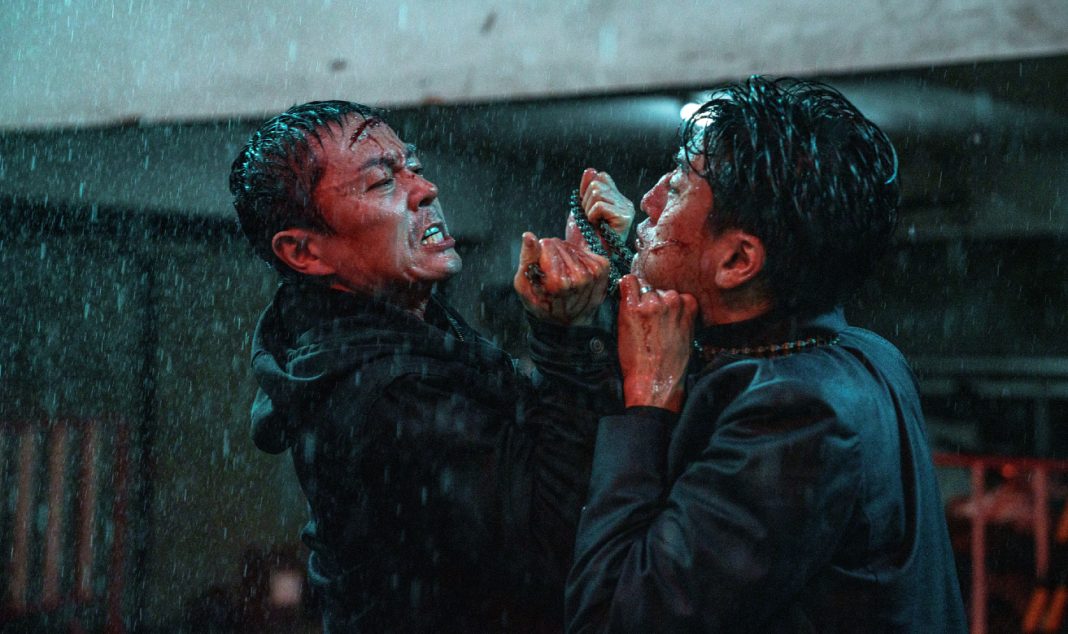
HGL: You’ve been part of the action and stunt world for many years now. Did that journey make the transition to directing easier?
Kenji Tanigaki: It’s the same but different. The director must trust everybody in every department. As an action director, if there’s a problem, I’m the first guy to fix it, whatever the problem is. However, as a director, I must wait for others to fix it. I’m not making my own private movie; I’m making a movie for everybody, so I shouldn’t try to fix everything.
I have the best people around me, so I don’t have to be the best guy on those teams, so then I can choose the best option. That’s the best way, I think. I’m lucky, I’ve had the chance to work with great directors, like Guillermo del Toro, or directors from Hong Kong or Japan.
They gave their people a lot of space, a lot of freedom, but this kind of freedom comes with a lot of responsibility. Because the director trusts them, the teams are willing to do great things. That’s the best way, that’s what I learned from them.
RELATED: Netflix’s ‘The Boroughs’: Actress Nancy Daly on Finding Joy in Horror (Exclusive)
HGL: What did you find to be the most difficult challenge during the filming of The Furious?
Kenji Tanigaki: Everything (laughs). I’d have to say the ending part, the fight at the police station. We spent eighteen nights on that set, and I realized human beings must go to bed (laughs). The choreography was very complicated, and everyone was exhausted, and it was very humid, very hot in Bangkok. It wasn’t easy, but they did a great job.
HGL: As a fight director yourself, was it difficult to just concentrate on the film directing and not want to try to help out on that end as well?
Kenji Tanigaki: I have to give credit to our choreography team and the stunt team. They did a great job, so I had the space to talk with our production designer, the actors, and other departments. I gave them the concept, and they created the choreography. The actors learned the choreography and then fine-tuned it on set, so there was really good collaboration.
HGL: Looking back, what do you think you learned from this experience?
Kenji Tanigaki: To make the best film, you cannot rush, and sometimes we need time, time to film, time to rewatch, and then maybe fix something. We also need a lot of people’s opinions, and then possibly rewrite and fix something, because this film is like my baby. Even people who don’t know anything about this film, we need their opinions. So yes, we need time to make a good movie, that’s what I think I learned.