



It took them five years to make a sequel. This was normal at that time. Imagine not even being in high school when the original Creepshow (1982) was released. This pimple-faced fan of the strange, who’d seen every episode of the original The Twilight Zone (1959-1964) and The Outer Limits (1963-1965), had a specific taste for the flavor of serial anthologies that were chock-full of unexpected tales with weird twists and consequences for the characters.
The first Creepshow movie was a welcome interlude to horror for that age. At that time, true horror like Rosemary’s Baby (1968), The Exorcist (1973), and The Omen (1976), which I had secretly watched, had only provided nightmares for a twelve-year-old. More contemporary horror like Friday the 13th (1980) and later, A Nightmare on Elm Street (1984) felt more like John Hughes movies with lots of blood.
Creepshow gets credit for luring this boy down that dark path. So, what happened to the sequel? Creepshow 2 (1987) followed the first one so many years later that it didn’t have the same impact. The Twilight Zone: The Movie (1985) came out during those formative years. It expanded on the effect of the first Creepshow, while the new slasher icons had upped the dosage for this addict. The flavor of Creepshow 2 ended up tasting more like a collection of episodes from Steven Spielberg’s Amazing Stories.
Many of us laughed off Creepshow 2 as an unintentional horror-comedy as teens. “Thanks for the ride, lady!” we’d tell our mothers as they dropped us off at the multiplex. We’d cleanse our palates by sneaking into R-rated movies. Thirty-five years later, all the tropes and catchphrases are still there and were a pleasure to consume.
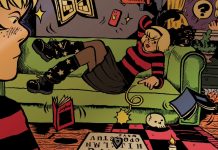
Creepshow 2 is a treasure chest of nostalgia from a time mostly forgotten. Prom happened recently, and thankfully, there was no Carrie (1976) in the graduating class. Graduation was coming up, and somehow, no one in the class had yet seen Graduation Day (1981). Creepshow 2 ended up on cable TV soon after, and we’d watch it at every possible scheduled showing. It consisted of three tales, with a bonus tale that glued them all together. Tom Savini’s Creep, tossing freshly printed copies of the fictional Creepshow comic off the back of a truck, made big promises for what was to come.
RELATED: Stephen King’s ‘Carrie’ Forged His Path to Horror Greatness
Unfortunately, the well-designed make-up and prosthetics he wore were made only to introduce us to a Twilight Zone-esque episode. George Kennedy was a well-known actor who usually showed up in parents’ entertainment, so he was just a “familiar older guy” to the rest of us. “Old Chief Wood’nhead” barely offered any scares and played out as a cautionary tale for over-the-top hoodlums — criminal delinquents born in the imaginations of bad storytellers who’ve never seen a gang member in real life.
The second tale might be the most iconic. It seemed to be mocking popular teen movies at the time by teasing boys with raging hormones but also satisfying the thirst to see popular kids get taken out one by one. “The Raft” was a classic short that could stand alone as a re-watchable appetizer for something far more entertaining. Was it an homage to TOHO’s Hedorah from Godzilla vs. the Smog Monster (1972)? Was it a reminder of what we should be afraid of in The Blob (1958)?
Whatever that duck and Deke-eating circle of oily muck was, it was terrifying. It harkened to our pretend fears from when we played “The Floor is Lava,” but the lava could come up from between the couch cushions. We only wanted those kids to survive so we’d know how to get away if we were in the same situation. We wanted them all to die for unnecessarily leaving the car door open to listen to bad generic rock music when leaving the window down would have sufficed.
Those kids deserved to die, especially Randy, who had the confusing nickname of Pancho. Maybe because he would eventually drape himself over his dead friend’s girlfriend to cop a creepy feel after his own potential squeeze had been liquified only hours earlier. Randy was the real monster in Creephow 2. His crush’s last words, “Help, it hurts,” still ring in my ears.
When he swam for the shore, it served only one purpose: to show us that arrogantly bragging about beating the muck monster to the edge of the lake wouldn’t fly if any of us were in that situation in real life. The segment was a fatal lesson in humility for Pancho. We were glad to see him have a wave of blackness consume him. But, damn, that music.
“The Hitchhiker” seems extremely familiar. Another Twilight Zone-style tale, but dressed up with plenty of humorous gore. The cheating wife, Annie Lansing, played by the darling Lois Chiles, was perfectly cast. Her lone scenes, acting more and more, then less and less, finally tapped into everyone’s guilty consciences as she tried to rationalize bad behavior for survival purposes. There’s no excuse for a hit-and-run unless no one saw you do it. Then you can pretend it never happened. The relentless hitchhiker saw things differently, and we loved it.
It felt good when she got away with it, but it felt ten times better when we realized we were wrong. She deserved every bit of that trauma and demise. We only needed to feel bad for the faceless silhouette of a husband who came home late to find her presumed body in the garage. Then we remember, meh, he’s a lawyer. Who cares about him? He’s better off without her anyway.
The only likable character in the entire movie was shot and killed in the first story. How did this happen, Stephen King? Thankfully, there was someone else to root for. The kid on the bike who found the ad for giant Venus Flytraps closed the book against his animated bullies. Shout-out to Rick Catizone, Gary Hartle, and Phil Wilson for some genre-defining animation, and more props to Ron Frenz for the comic-style artwork throughout the film. Without these stylizations, the Creepshow franchise may have had little to set it apart and give it the longevity that eventually brought us to the new Shudder series, Creepshow.
If Creepshow 2 was a driver who had unwillingly given me an undercarriage ride, dragging me through decades of searching for that next scare, I’d be creepily enunciating those words to her. Bloodied and broken, my tongue hanging through my jaw, tapping my collarbone with pink spittle. My face unrecognizable, with eyeballs looking in three different directions, I’d hold out that “Dover” sign as I expressed my appreciation for taking me down this road. “Thanks for the ride, lady.”