






It’s no secret that some of the first major horror films originated from the ideas written in novels. Bram Stoker’s Dracula and Mary Shelley’s Frankenstein, even 100-200 years after their releases, have brand-new adaptations coming out. Horror literature maestros H.P. Lovecraft and Stephen King have countless horror movies based on their books, novellas, and short stories. Successful streaming TV series continue to pop up, based on the works of Shirley Jackson and Anne Rice.
However, unless the movie is based on one of the gargantuan names mentioned, knowing it’s based on a book can sometimes slip through the cracks, robbing the viewer of a more in-depth and often better exploration of the story they just watched. At this point, it’s pretty common knowledge that films like The Exorcist or Rosemary’s Baby are based on novels, and Stephen King movies being based on them is self-explanatory.
I chose the included for two reasons: because both the books and the movies are solid, regardless of changes made to the adaptations, and because the fact that they were based on books isn’t as well-known.
7The Howling (1981)
Based on The Howling by Gary Brandner
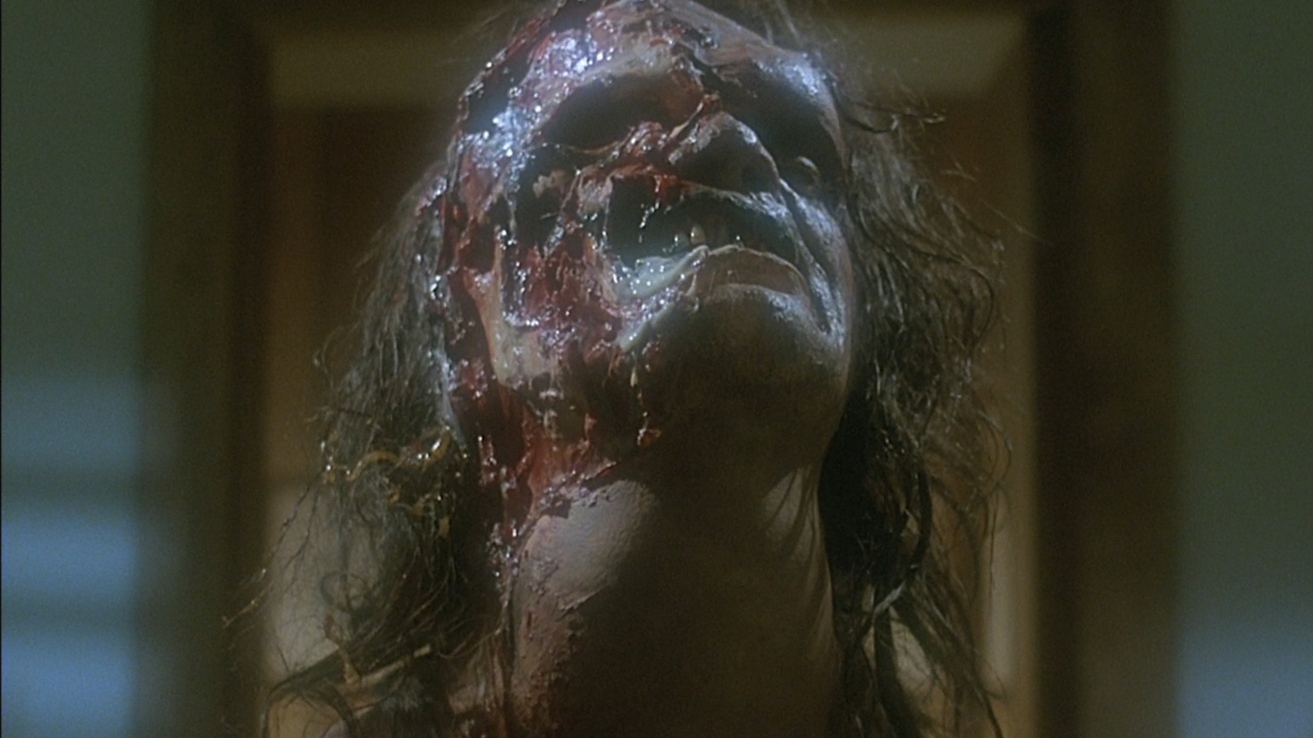
Even today, Joe Dante’s The Howling is considered one of the top five werewolf movies of all time. Unfortunately releasing the same year as An American Werewolf in London, the deck was stacked against it from the start. That doesn’t change the fact that it’s an excellent and intense film with fantastic effects and great gore. The Howling is based on the 1977 novel by Gary Brandner.
Related: Dee Wallace Talks ‘The Nest’ and Her Career in Acting (Exclusive)
Granted, there are some large differences between the book and the movie, especially with the whole serial killer and journalist storyline in the film, but both are amazing in their own ways. In fact, the fourth Howling film, Howling IV: The Original Nightmare, has the most similar storyline to Brandner’s first novel. Brandner wrote two sequels, The Howling II and The Howling III: Echoes, and in 1982, he released the novelization of Paul Schrader’s Cat People.
6The Ritual (2017)
Based on The Ritual by Adam Nevill
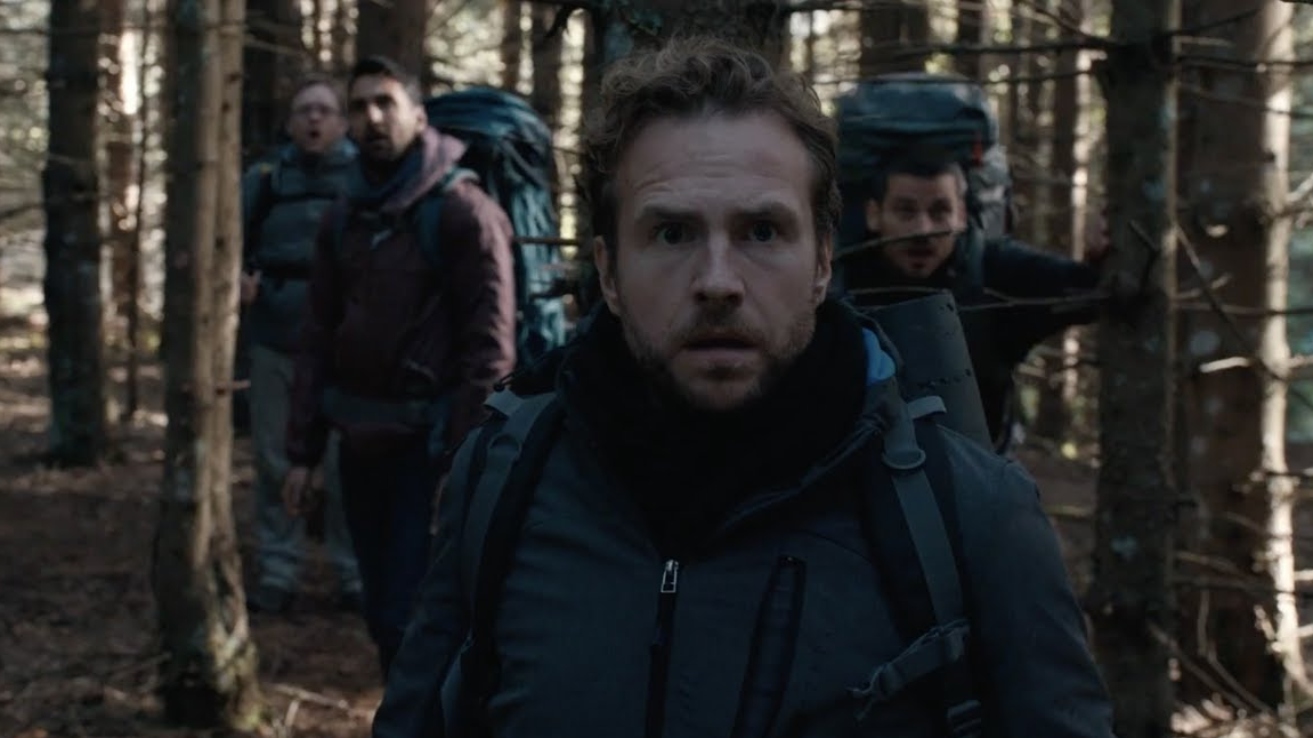
An underrated gem from the 2010s, David Bruckner’s The Ritual has become more appreciated in the last few years, blending in seamlessly with the uprising of the trauma horror subgenre. The film follows four friends trekking in Sweden in honor of a fallen companion, and after an injury derails their plans, they decide to take a shortcut through the vast forests. It’s within these words that lurks an ancient evil that awaits to devour them one by one.
Based on 2011’s The Ritual by British author Adam Nevill, the film is actually a close representation of the novel. There are a few changes with the friends’ tragic backstory, and there’s much more exploration of the ancient evil creature (and those who summoned it), but I believe the changes were more suited for film. The Ritual isn’t the one of Nevill’s adaptations. The Bram Stoker Award nominee also wrote the novel that Netflix’s 2021 original film No One Gets Out Alive is based on.
5Audition (1999)
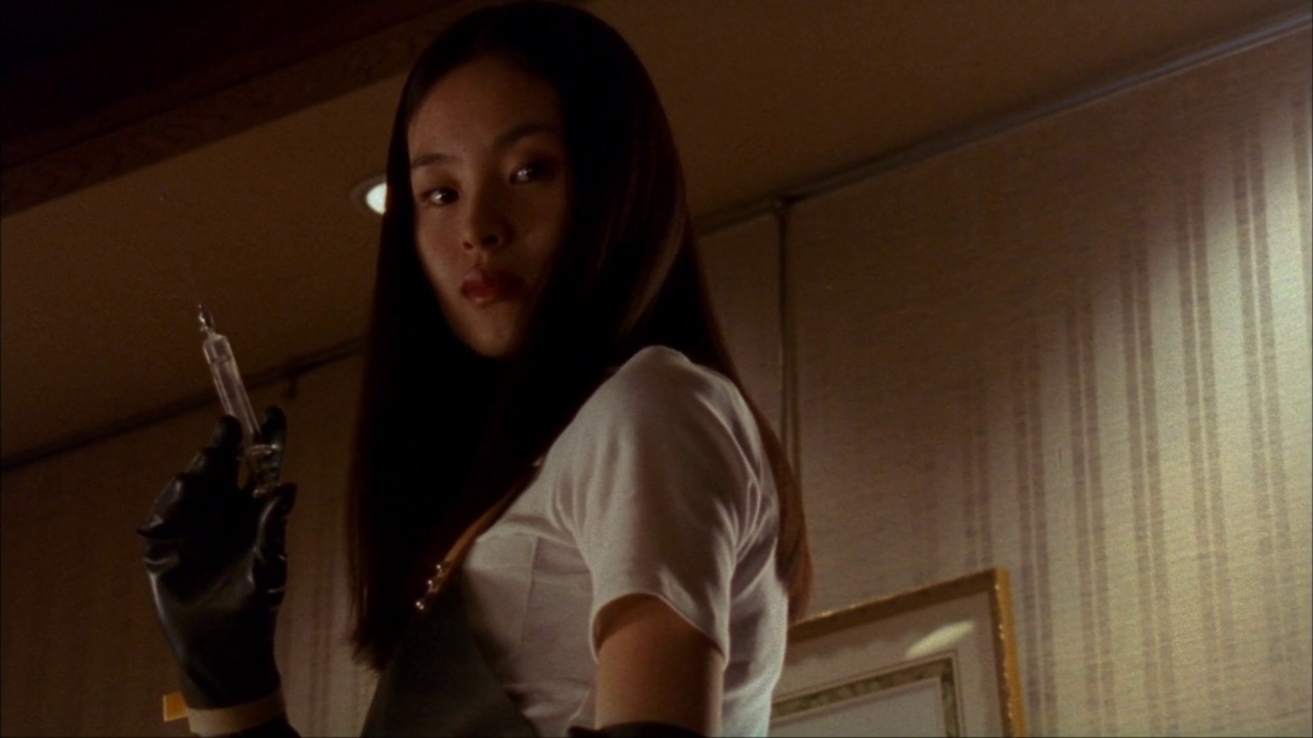
Based on Audition by Ryū Murakami
Possibly the darkest addition to this list, Takashi Miike’s psychological horror flick, Audition is based on the 1997 novel by Japanese author Ryū Murakami. The story follows a man who has his friend set up a fake audition in hopes of finding a new girlfriend after the death of his wife. However, the aspiring actress he auditions has a gruesome and tragic past, and what ensues can only be described as torturous.
Related: 7 Scariest Japanese Horror Movies Ever Made
Miike’s film is disturbing and gory but mostly a faithful adaptation, and is praised for its extremely unique style of editing. Though Ryū Murakami didn’t win any awards for Audition, he did win the Akutagawa Prize for his coming-of-age 1976 novel, Almost Transparent Blue. Murakami is also an accomplished filmmaker, directing six feature films. His novel Piercing is also known for its unsettling story and was adapted to film in 2018.
4Stir of Echoes (1999)
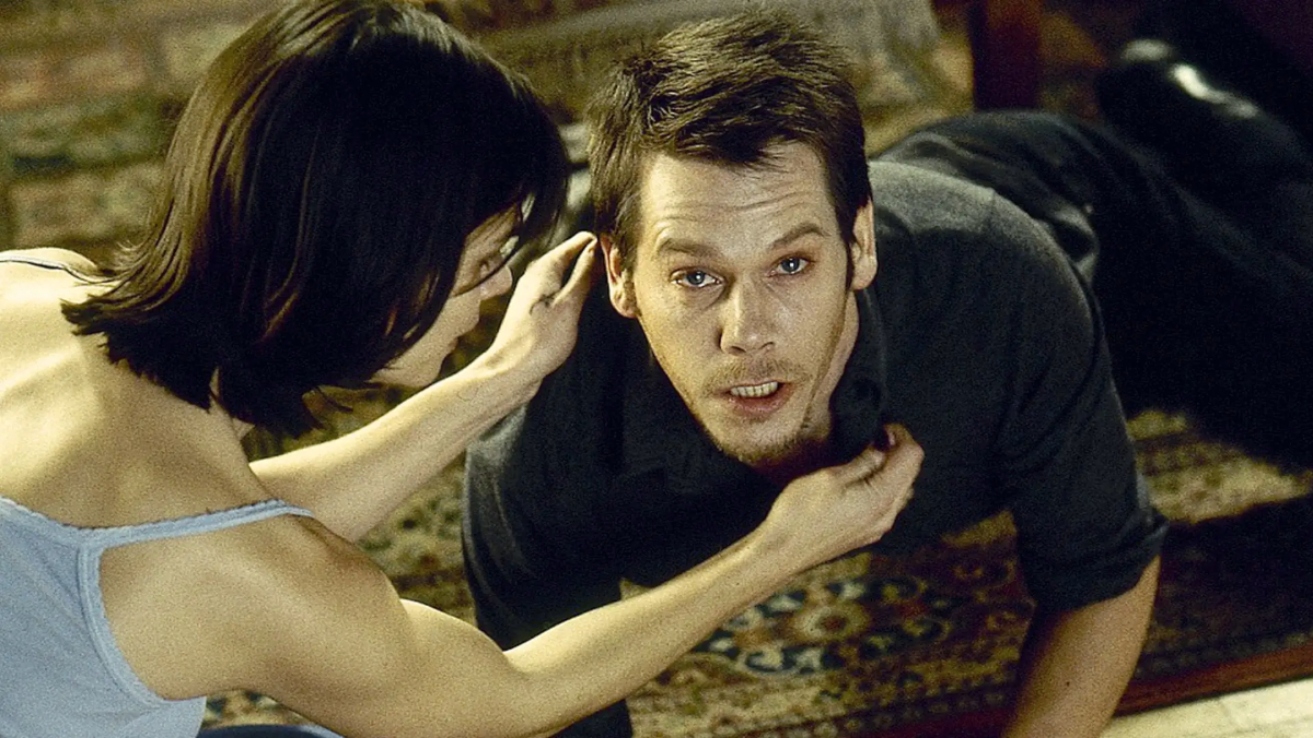
Based on A Stir of Echoes by Richard Matheson
Richard Matheson is one of those classic horror and sci-fi writers who simply just doesn’t get enough love or praise. He wrote the novels behind I Am Legend, Hell House, Duel, and the 1999 David Koepp flick, Stir of Echoes, starring Kevin Bacon. Considering the book was written in 1958, Koepp’s version is a more modern update of the story, almost in the same vein as Mike Flanagan’s The Haunting of Hill House.
While the book goes into a deeper exploration of Tom’s psychic abilities, the pacing is much slower than the quickness of the movie’s murder mystery story. The general consensus seems to find that this is one of the rare cases where a horror movie is actually better than the novel. However, both are good. One just focuses more on Tom’s personal life and ability to juggle newfound psychic powers and his family, and one is more of an open-and-shut crime story.
3Let the Right One In (2008)
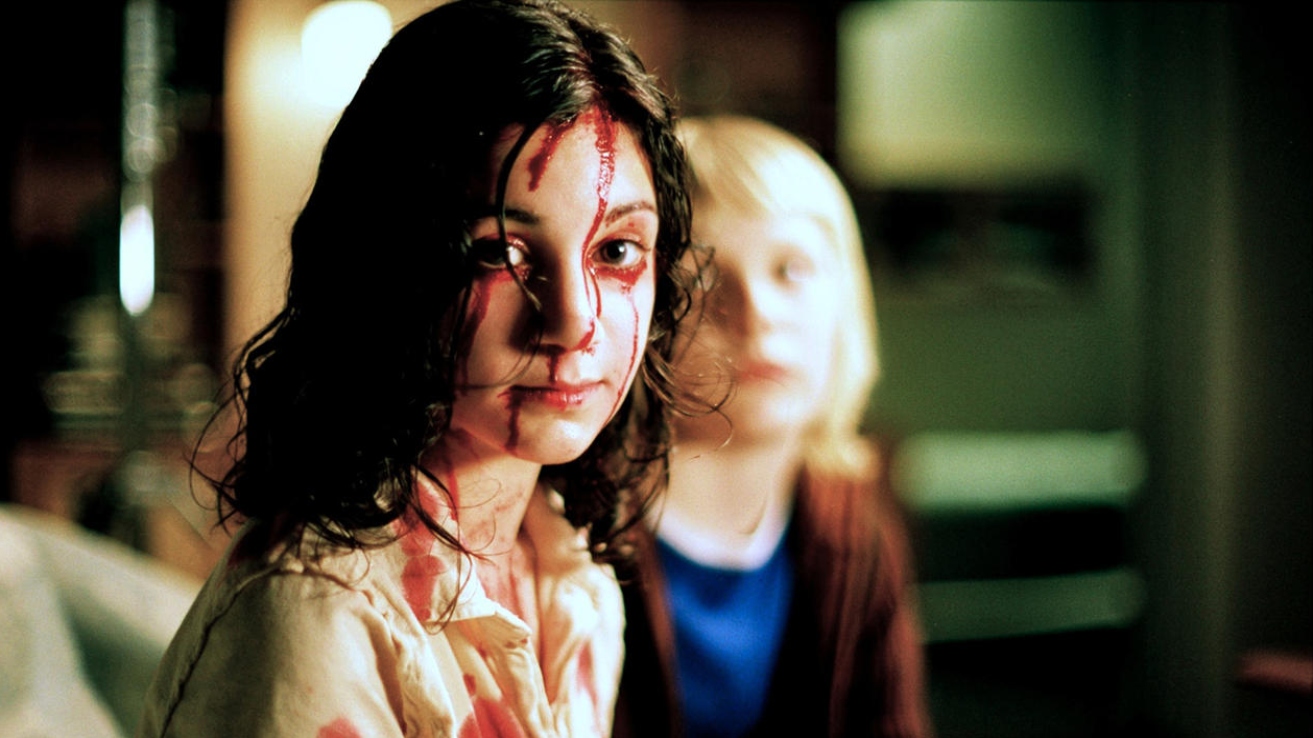
Based on Let the Right One In by John Ajvide Lindqvist
One of the best vampire tales ever put to screen, Swedish filmmaker Tomas Alfredson perfectly captured the caring, reciprocated relationship between boy and girl (vampire) in his adaptation of John Ajvide Lindqvist’s Let the Right One In. Though the story has been remade in an American version (Let Me In) and a cancelled Showtime TV series, neither comes close to the quality of Alfredson’s adaptation.
Let the Right One In won four of Sweden’s Guldbagge Awards, which are essentially their version of the American Academy Awards, for Best Director, Best Screenplay, Best Cinematography, and Best Achievement in Production Design & Sound. The adaptation is mostly faithful to the novel, but changes up some minor details with the two main characters’ relationship and the events that happen during it.
2Ringu (1998)
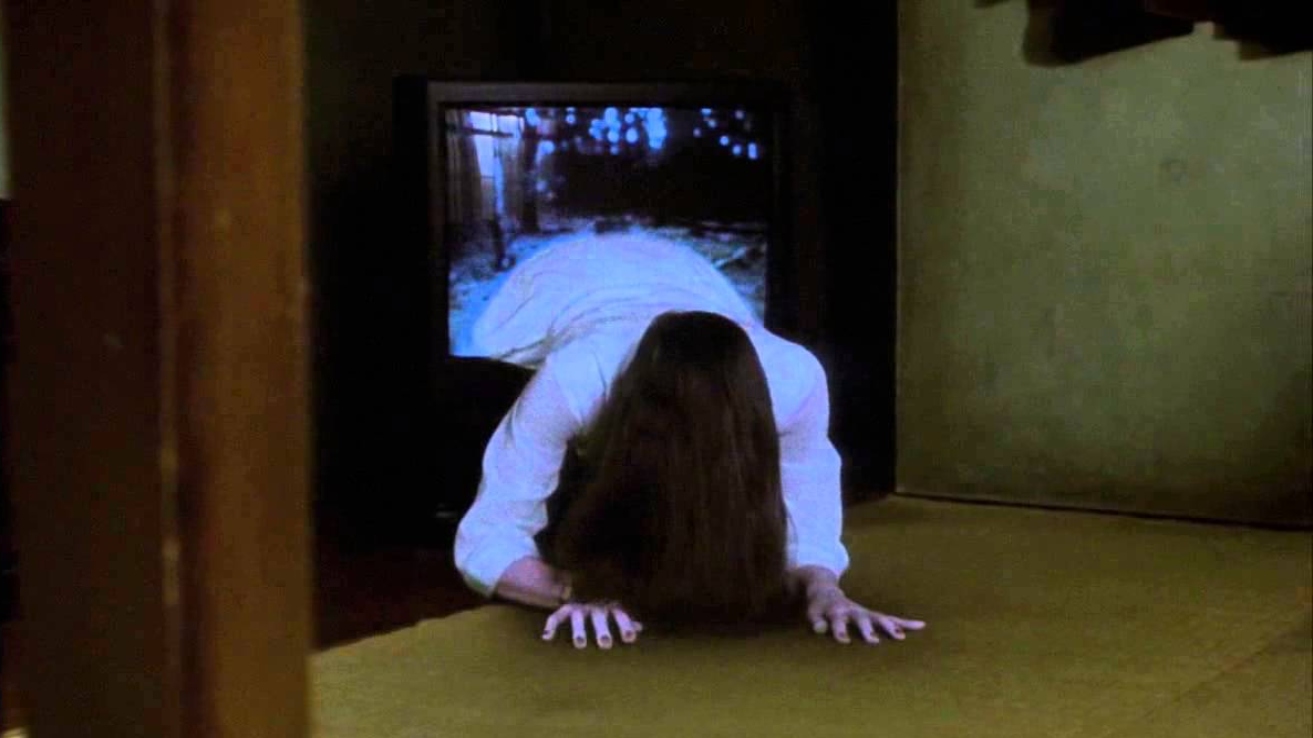
Based on Ring by Koji Suzuki
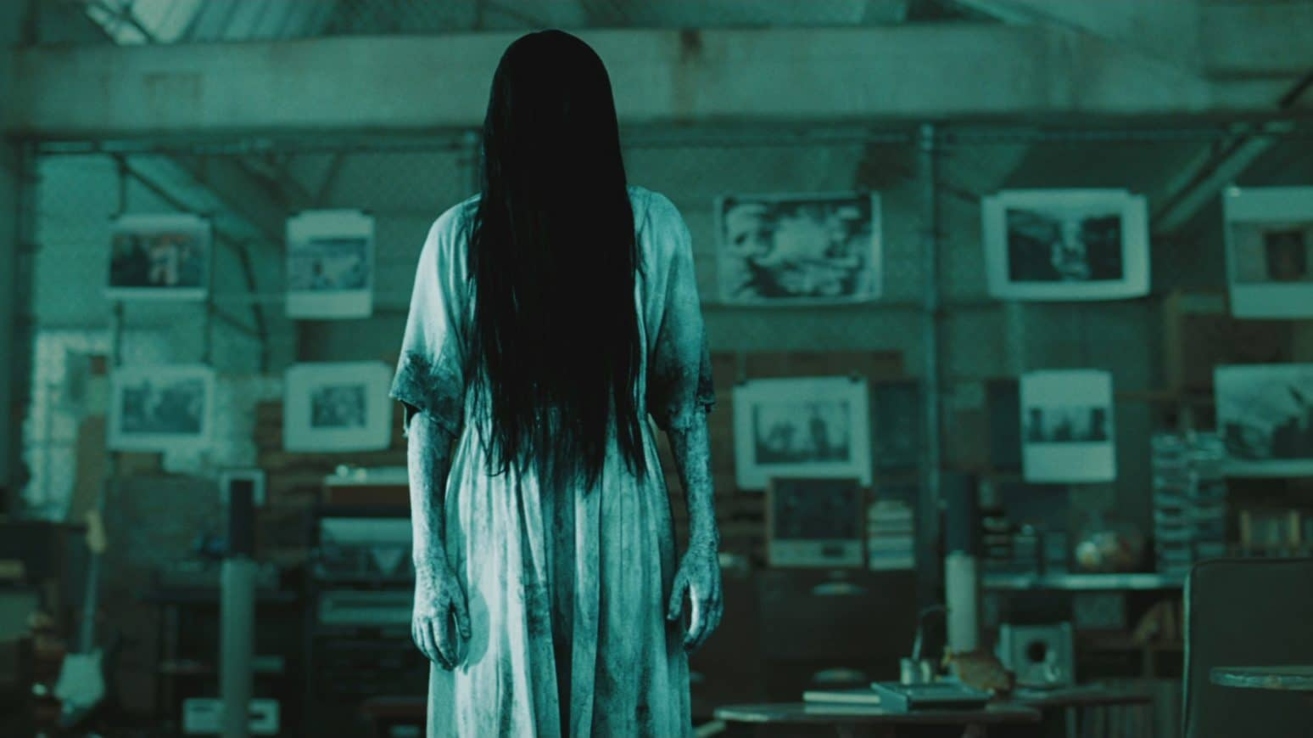
Another Japanese horror classic, Ringu is based on the first novel in Koji Suzuki’s six-book series. Hideo Nakata’s 1998 film, which was remade by Gore Verbinski in 2002, remains one of the creepiest and most effective Japanese horror movies to date. The film follows the story of a cursed videotape, and the investigation into why death comes within a week to anyone who views it.
While Ringu follows the same plot as the book, it, and its 2002 remake, focus a little more on the horrific ghost girl, Sadako/Samara, and shifting the story into more of a jump scare horror movie. The book reads more like a mystery and suspense thriller, putting more detail and focus into the investigation portion of the story. The book also explores the details of the curse more, which leads into its sequels in a much smoother way than the films.
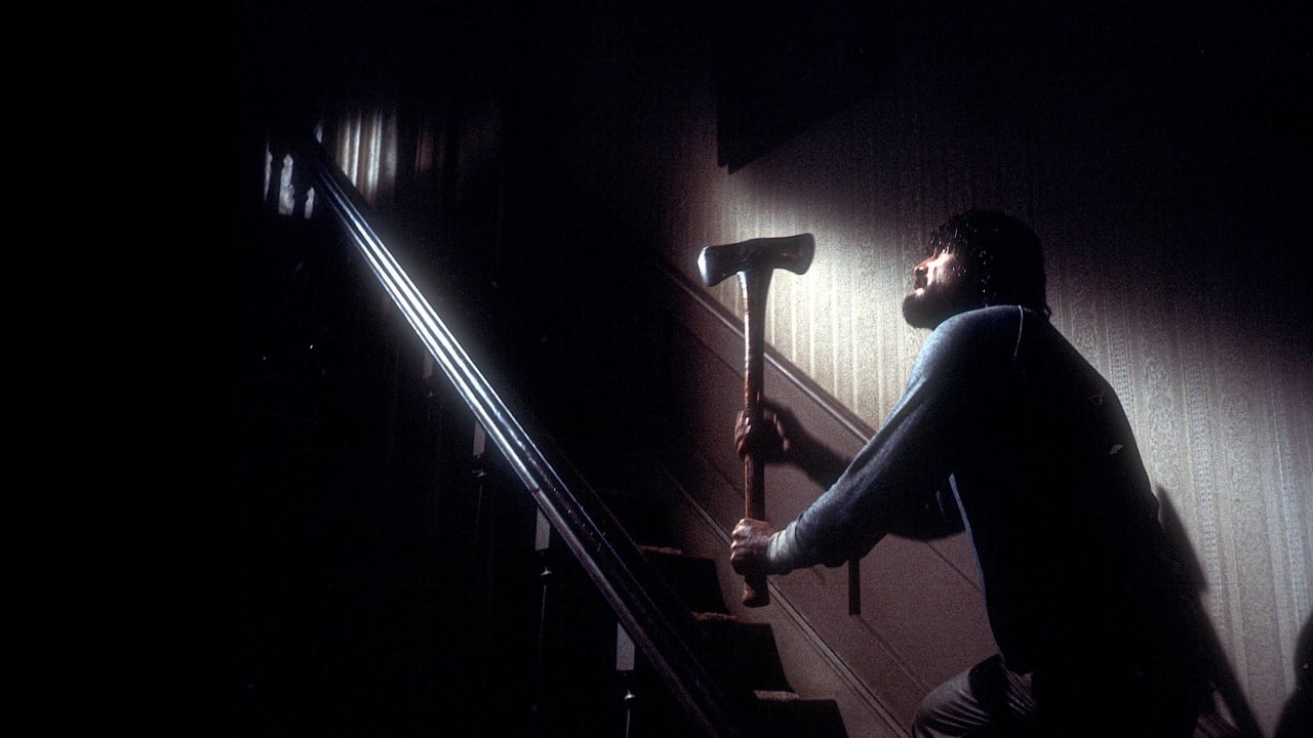
1The Amityville Horror (1979)
Based on The Amityville Horror by Jay Anson
There are a lot of layers to Stuart Rosenberg’s (no relation) demonic ‘70s classic, The Amityville Horror. Most people probably know that the story is based on “true events,” including the Ronnie DeFeo murders that predate George and Kathy Lutz moving into the house. However, between the Lutz events and the movie, Jay Anson wrote a novel based on George Lutz’s “paranormal experiences” at the house, which have since all but been debunked.
Related: 7 Craziest Things in the ‘Amityville Horror’ Sequels
Marketed as a “true story,” The Amityville Horror was on best-sellers lists for almost an entire year and sold more than 10 million copies. It was obviously a popular book and movie in 1977, but over the years, the 1979 movie had more than 25 sequels, spinoffs, or completely unrelated stories released, with interest in the original book behind the first movie waning significantly.
There are some significant differences between Anson’s novel and the first film, including the dramatics of the supernatural experiences and the existence of a babysitter experiencing them. The book reads a little more like a journalistic account, while the movie plays it straight for the horror. Either way, both are good in their own right and certainly worthy of your time.
We’re hardworking geeks who love to geek out, but we can’t do it without you! If you enjoyed this article and want to see more like it, please consider tipping our writers. Also, as an Amazon Associate, we earn from qualifying purchases.