












Many have a relentless fascination with serial killers. Whether real-life stories or imagined, there is an endless onslaught of material on the subject. In 1988, the novel The Silence of the Lambs by Thomas Harris was published, and in 1991, it hit the big screen, shocking and awing audiences worldwide and becoming a huge hit along the way. While there were some real-life influences, it was a fictional story, but Hannibal Lecter became the boogeyman for generations to come.
The story is essentially about the FBI using one serial killer to catch another. However, the incarcerated killer, the notorious Hannibal Lecter, is clever and will not be easily fooled. He plays along to get what he needs to escape, while the current serial killer on the loose, nicknamed Buffalo Bill, continues to kill.
Initially, with motives that are unclear, it seems to be the FBI’s worst nightmare. This is part of the story’s genius, but it could have been just another cash grab, riding the serial killer craze, except that the people involved, both in front of and behind the camera, had other plans for the film.
Part of The Silence of the Lambs’ success is how it’s shot, and even more than three decades later, it can still give you the creeps after multiple viewings. There is a sense of quiet and purpose in the film’s cinematography and the actors’ portrayals. The feeling of dread hangs over many scenes like another character, invisible, yet you sense they are there.
Director Jonathan Demme gives the audience many long shots, letting them soak in the scenes, and often the POV has the characters looking straight into the camera. It is very unnerving, and there are more than a few occasions where it feels like certain characters are right in the room with you.
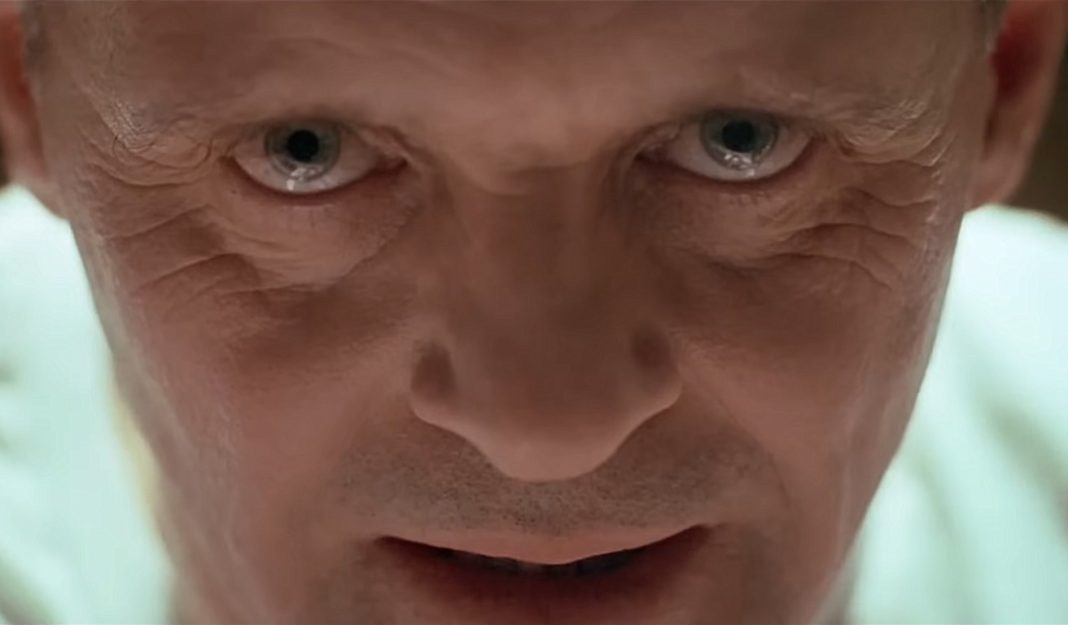
It is this sense of calm and wonder that elevates Anthony Hopkins’ performance as Hannibal Lecter to heights of brilliance and terror. As with all films, casting has its stories, and this film was no different, with many considered for the role before Hopkins made it his own. Interestingly, he was not the first actor to actually play Hannibal; that honor went to Brian Cox in 1986’s Manhunter. The film was directed by Michael Mann and was based on another novel by Thomas Harris, called Red Dragon.
This made Hopkins’ performance in The Silence of the Lambs even more remarkable. He took a role that had been done before, was not the first choice, had limited screen time, and was always one of the first things people talked about when they took a trip down memory lane with this film.
RELATED: 3 Cancelled Horror TV Shows That Need to Return
His penetrating gaze and calm demeanor were unnerving, but so were the bodily actions and characteristics of the serial killer he was supposed to be helping to apprehend, that being Jame Gumb, aka Buffalo Bill. He was awkward yet imposing, quiet yet creepy, with his own way of doing things.
Ted Levine as Buffalo Bill sometimes gets lost in the conversations of what makes this film so memorable, but he was a force of his own. Buffalo Bill killed women and took parts of their skin, while Hannibal Lecter killed people, cooked, and ate certain parts of their bodies. Both men presented disturbing and brutal tendencies, yet were very different too, creating a weird but fascinating dynamic with the two serial killers.
A young Jodie Foster as FBI in training Clarice Starling was great casting and great bait as a character to throw at Hannibal. Their face-offs in prison were striking, building a weird bond between them as she tried to build trust with a man who was always many steps ahead. These are some of those scenes where Lecter is staring right into the camera, where you not only feel Starling’s sense of discomfort but experience it yourself as a viewer.
Director Demme made many great decisions during the filming of this movie, but this was one of the smartest. The silence, the tension, the battle of wits—it became a familiar game of cat and mouse, but the audience wasn’t always sure if the characters knew that.
RELATED: John Carpenter Teases ‘Halloween’ Game: “Diehards Will Be Pleased”
The film is relentless in its desire to make the audience squirm, building the characters so well that your mind begins to believe these crimes actually happened, and you start imagining them. With the mood and music setting the stage, there was no real need for graphic violence, though a few scenes were included at just the right moment to add visual texture to the audience’s already mental uneasiness. The way they built tension in this film was brilliant, and the film’s overall approach to telling a horrific story took many people by surprise.
It’s hard to measure the impact a film like The Silence of the Lambs had on people, let alone on the industry. It made a lot of money on a small budget and spanned a few other films (and the wonderful Hannibal TV series). However, one need only look at the fact that, even 35 years later, people still talk about this film, Hannibal Lecter, and how it still gives them the creeps to this day.